
BAA and Its Requirements for LED BAA Lighting Fixtures
The Buy America Act plays a critical role in promoting domestic manufacturing and ensuring high-quality products in federal projects. For the high-performance BAA approved lighting LED industry, BAA compliance is both a legal necessity and a strategic advantage. Both BAA and BABA are key federal regulations affecting lighting products for federally funded projects, establishing domestic content preferences for manufactured products. Understanding the differences and overlap between BAA and BABA is important for compliance with federal requirements. By prioritizing domestic sourcing, maintaining transparent manufacturing processes, and collaborating with stakeholders, LED lighting manufacturers can effectively navigate BAA requirements and deliver top-tier, compliant solutions.
For buyers, choosing BAA compliant LED lighting products means investing in quality, supporting the domestic economy, and ensuring compliance with federal standards. Federal government purchases and federally funded projects are subject to domestic content preferences under both BAA and BABA, requiring that manufactured products meet U.S. content and manufacturing standards. The BAA applies to federal acquisitions exceeding the micro-purchase threshold but below the applicable dollar threshold for TAA applicability, which varies based on factors like the governmental entity and type of contract. Additionally, understanding the applicable TAA monetary thresholds is crucial for ensuring compliance with the Trade Agreements Act (TAA) when the project value exceeds certain monetary thresholds. Whether you’re a contractor working on federal projects or a business owner looking to upgrade your lighting, understanding the importance of BAA compliance can guide you in making informed, beneficial purchasing decisions. Spec sheets for lighting products should indicate compliance with BAA and BABA requirements to help buyers verify adherence to these regulations.
Key Takeaways
-
-
Economic and Quality Benefits: Complying with the Buy America Act (BAA) supports the U.S. economy by promoting domestic manufacturing and ensuring high-quality, reliable products for federal projects.
-
Compliance Strategies: Effective BAA compliance in the LED lighting industry involves domestic sourcing, transparent manufacturing processes, and collaborative partnerships with contractors and federal agencies to ensure manufactured products meet domestic content preferences.
-
Informed Purchasing: Buyers can make informed decisions by verifying BAA compliance, which ensures they are investing in top-tier, dependable LED lighting solutions that meet federal standards. Spec sheets should clearly indicate if products comply with both BAA and BABA requirements.
-
The information provided here is for informational purposes only and does not constitute legal advice. For specific guidance on compliance with both BAA and BABA, consult your own legal counsel.
Understanding the Buy America Act (BAA)
The Buy American Act (BAA) of 1933 is a cornerstone of federal procurement policy, designed to prioritize the use of American-made products in federal projects. This legislation mandates that the federal government prefers “domestic end products” and “domestic construction materials” when making purchases. The goal is to bolster domestic manufacturing and support American businesses, particularly in large-scale infrastructure projects. The Act applies to projects and procurements funded by federal funds, and compliance is required whenever federal dollars are used.
Under the BAA, federal agencies are required to prioritize domestic products and materials unless specific exceptions apply. One notable exception is the Trade Agreements Act (TAA), which allows for the waiver of BAA preferences under certain conditions. The TAA stipulates that products must be substantially transformed in the United States or a designated country. The applicable TAA monetary threshold, which varies depending on the governmental entity and the trade agreement involved, determines when these waivers can be applied.
For federal agencies and contractors, understanding the intricacies of the BAA is crucial to ensure compliance with federal regulations. Tracking and limiting foreign components is essential to meet domestic content thresholds for BAA compliance. Non-compliance can lead to significant penalties and other legal consequences. Therefore, it is advisable to consult with your own legal counsel to navigate the complexities of the BAA and ensure all requirements are met. This proactive approach helps in avoiding pitfalls and ensures that all federal projects adhere to the mandated standards.
Key Provisions of the BAA
-
Domestic Production: For a product to qualify under the BAA, it must be manufactured in the United States with more than 50% of its components sourced domestically. Products or components that are permanently incorporated into a structure or system must also meet BAA compliance requirements. This ensures that a significant portion of the economic benefits stays within the country, promoting local industries and job creation.
-
Federal Projects: The BAA applies primarily to direct federal procurement and infrastructure projects funded by federal grants. This includes construction projects, public transportation systems, and various infrastructure enhancements.
-
Waivers and Exceptions: In certain circumstances, waivers can be granted if domestic products are unavailable, excessively costly, or if using them is inconsistent with the public interest. These waivers ensure that the BAA does not hinder project completion when domestic alternatives are not feasible.
High-Performance BAA Compliant Lighting and BAA Compliance
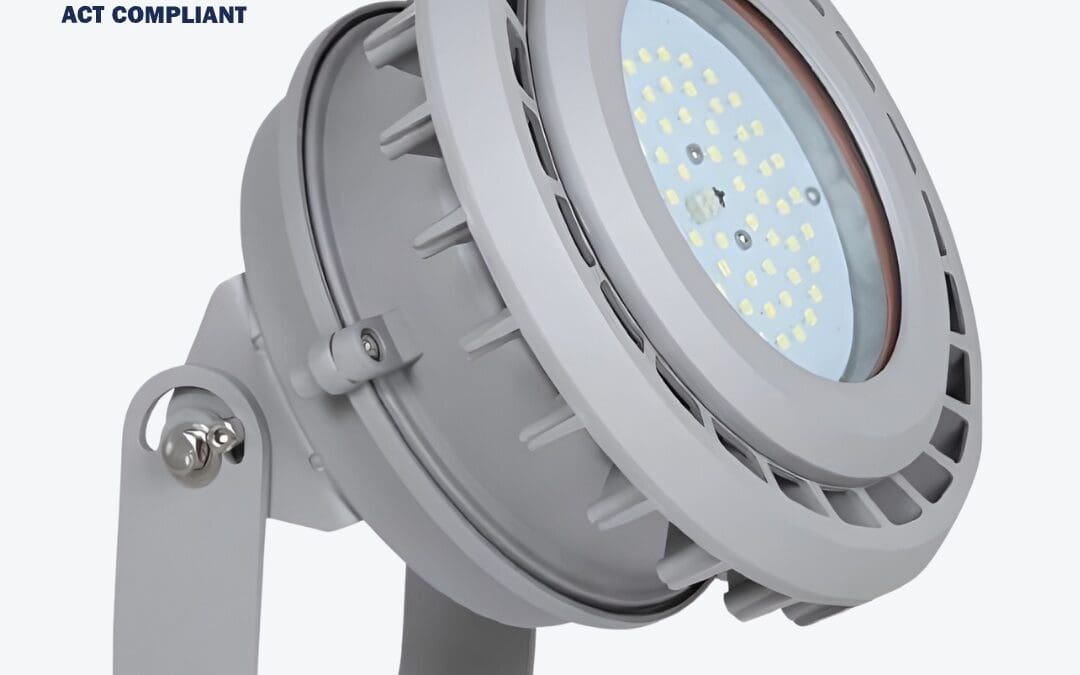
High-performance BAA compliant outdoor lighting solutions are increasingly being specified in federal projects due to their energy efficiency, long lifespan, and environmental benefits. For manufacturers and suppliers of these products, BAA certification is crucial. Each lighting product must meet specific compliance standards and domestic content requirements to be eligible for federal projects, ensuring that only qualified lighting products are used in government procurement.
Benefits of BAA-Compliant Lighting Solutions
- Economic Support: By complying with the Buy American Act (BAA) helps LED light manufacturers contribute to the U.S. economy by supporting local jobs and industry growth. When you purchase BAA-compliant lighting, you are helping to sustain and grow domestic businesses, contributing to economic stability and prosperity in local communities.
- Quality Assurance: Products manufactured under stringent BAA guidelines are subject to rigorous quality standards, ensuring reliability and high performance. These lights undergo thorough testing a quality checks. This means you can trust that BAA-compliant lights are built to last, providing consistent and dependable performance.
- Market Access: Compliance with BAA opens up opportunities for manufacturers to participate in lucrative federal projects, which can be a significant revenue stream for manufacturers. For buyers, this means access to high-quality lighting products and solutions that meet the exacting standards of federal projects.
Strategies for BAA Compliance in Lighting
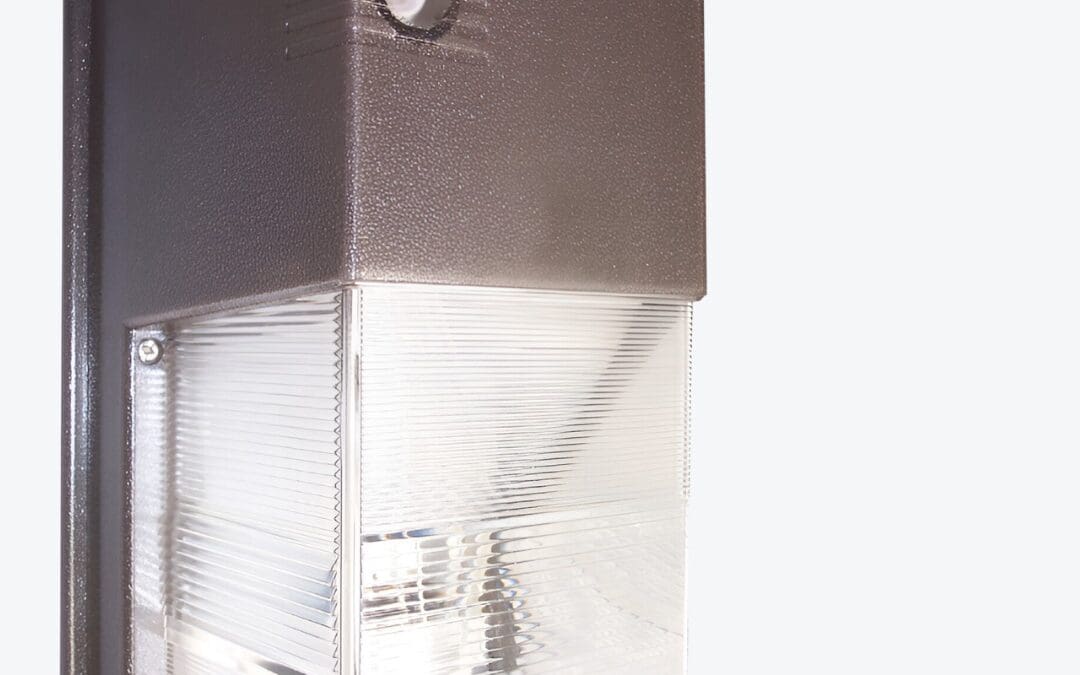
- Domestic Sourcing: Ensure that the majority of components used in BAA compliant lighting products are sourced from U.S.-based suppliers. This not only meets BAA requirements but also reduces supply chain risks. For buyers, this translates to a reduced risk of delays or disruptions caused by international supply chain issues.
- Transparent Manufacturing Processes: Maintain clear documentation and transparency in the manufacturing process to demonstrate compliance with BAA standards. This transparency provides buyers with the assurance that the products they are purchasing meet all necessary legal and quality standards.
- Collaborative Partnerships: Work with contractors and federal agencies to understand specific project requirements and provide BAA-compliant solutions. For buyers, this means you can work with knowledgeable manufacturers who understand the intricacies of federal compliance and can manufacture tailored solutions.
Build America, Buy America (BABA) Regulations and Their Impact on LED Lighting Fixtures
The Build America, Buy America (BABA) regulations, introduced as part of the Infrastructure Investment and Jobs Act, have reshaped the landscape for LED lighting fixtures used in federally funded infrastructure projects. These regulations are designed to strengthen American manufacturing by requiring that a greater share of construction materials and products, including LED lighting, are sourced and manufactured in the U.S.
For infrastructure projects that receive federal funding, BABA requirements mean that LED lighting fixtures must not only be high quality but also meet strict standards for domestic content. This includes ensuring that the majority of the components and the final assembly of lighting products are completed within the United States. By prioritizing domestic construction materials, BABA supports American businesses, stimulates job creation, and helps drive economic growth across the country.
Manufacturers aiming to participate in projects funded by the Infrastructure Investment and Jobs Act must pay close attention to BABA requirements. Compliance involves verifying that their LED lighting products are manufactured in the U.S. and meet the specified thresholds for domestic content. This commitment to domestic sourcing not only opens doors to lucrative federal contracts but also reinforces the value of investing in American-made products.
For buyers and project managers, choosing BABA-compliant LED lighting ensures that infrastructure investment directly benefits local economies and supports the broader goals of the Build America, Buy America initiative. By selecting products that are manufactured in the U.S., stakeholders contribute to the creation of American jobs and the long-term success of domestic industries, all while meeting the rigorous standards set forth by federal agencies for infrastructure investment and jobs projects.
Practical Tips for Buyers
Identifying BAA-Compliant Lighting Products
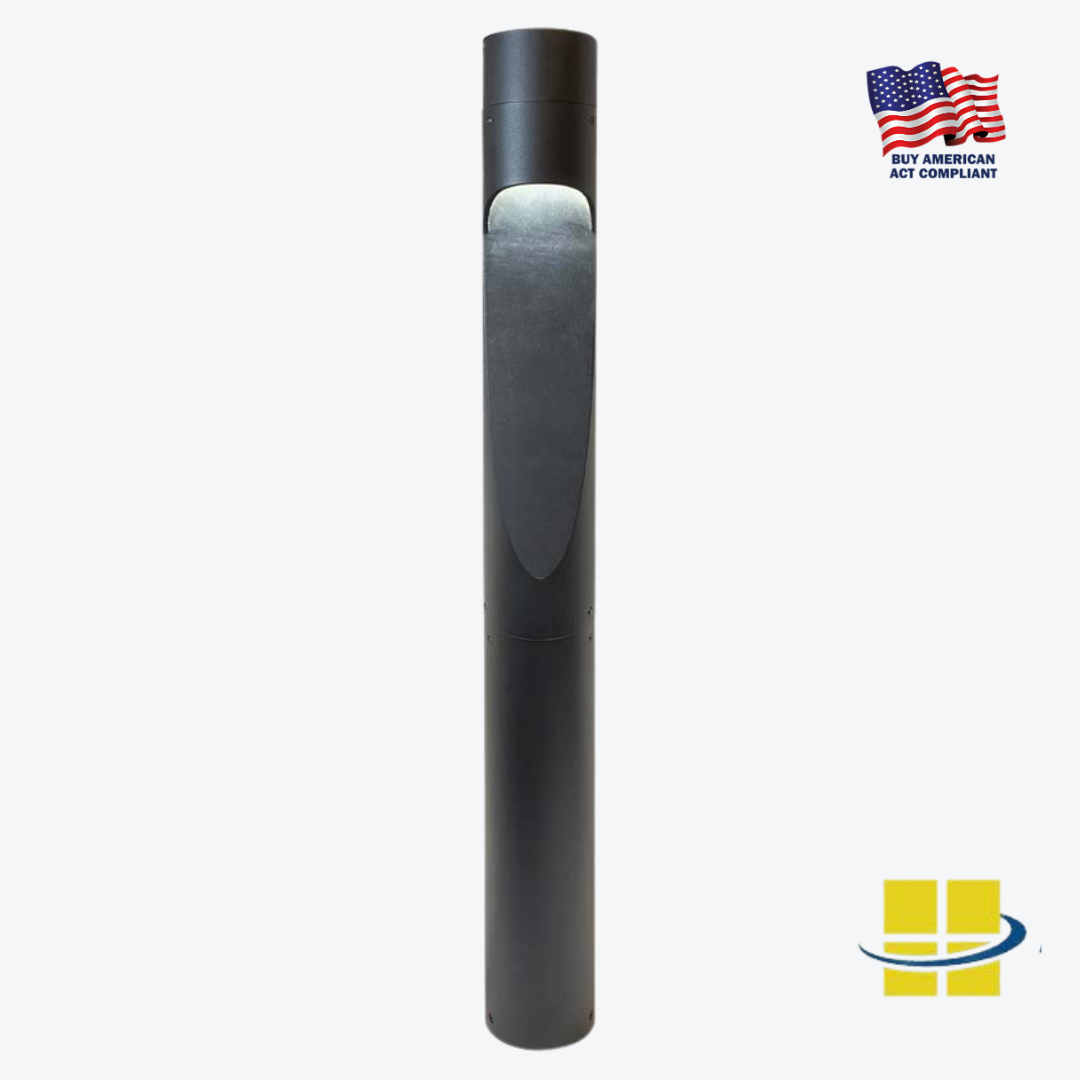
When shopping for LED lamps for high-performance indoor or outdoor lighting solutions, look for manufacturers who prominently state their compliance with the Buy America Act. This information is often available on product datasheets, company websites, or through direct inquiry.
Verifying Compliance
Ask for documentation that certifies BAA compliance. Reputable manufacturers will have no issue providing this information and will often include it in their sales materials.
Benefits of Choosing BAA-Compliant Products
By selecting BAA-compliant light solutions, buyers ensure they are investing in quality, supporting the domestic economy, and meeting federal project requirements. This contributes to national economic growth and guarantees the reliability and performance of the lighting products.
Additional Resources
Learn more about LED BABA Certified Lighting Solutions
Learn more about LED BABA vs. BAA Certified Lighting Solutions
Conclusion
The Buy America Act plays a critical role in promoting domestic manufacturing and ensuring high-quality products in federal projects. For the high-performance BAA approved lighting LED industry, BAA compliance is both a legal necessity and a strategic advantage. By prioritizing domestic sourcing, maintaining transparent manufacturing processes, and collaborating with stakeholders, LED lighting manufacturers can effectively navigate BAA requirements and deliver top-tier, compliant solutions.
For buyers, choosing BAA compliant LED lighting products means investing in quality, supporting the domestic economy, and ensuring compliance with federal standards. Whether you're a contractor working on federal projects or a business owner looking to upgrade your lighting, understanding the importance of BAA compliance can guide you in making informed, beneficial purchasing decisions.
Buy America Act and Its Impact on LED Lighting Fixtures Frequently Asked Questions (FAQs)
You have questions on understanding BAA and its impact on LED lighting fixtures. We have answers. If you have a question that isn’t answered below, contact an Access Fixtures lighting specialist at (800) 468-9925 or click here.
What is the difference between BAA and BABA?
The Buy American Act (BAA) and Build America, Buy America Act (BABA) are both federal laws that require certain products used in federal projects to be manufactured in the United States. BABA applies specifically to infrastructure projects funded by federal agencies and has stricter domestic content requirements than BAA. For lighting products, BABA applies when the project is federally funded and classified as infrastructure, requiring compliance with specific domestic content and manufacturing criteria.
What federal agencies are involved in enforcing BAA and BABA compliance for lighting products?
Key federal agencies involved in enforcing BAA and BABA compliance for lighting products include the Federal Highway Administration, the Federal Transit Administration, and the Federal Aviation Administration. These agencies oversee procurement regulations and ensure that lighting products used in federal infrastructure projects meet Buy America(n) and BABA requirements.
What role do government agencies play in BAA compliance?
Government agencies are crucial in enforcing and ensuring compliance with the Buy American Act (BAA). These agencies set specific procurement standards for federal projects, making sure that the materials and goods used meet the criteria established by the BAA and the Build America Buy America Act (BABA).
What are domestic content restrictions under the BAA?
Domestic content restrictions under the BAA refer to the criteria that define what qualifies as 'domestic' in terms of goods and construction materials. These restrictions are governed by various U.S. laws, including the Buy American Act (BAA), the Trade Agreements Act (TAA), and the Build America, Buy America Act (BABA). They emphasize the importance of manufacturing locations and the percentage of domestic components to ensure compliance with federal funding requirements.
What is the Buy America Act (BAA) and how does it relate to the federal government?
The Buy America Act is legislation that mandates the use of American-made products in federal projects to support domestic manufacturing and economic growth. This domestic preference information is crucial as it relates to the Buy American Act (BAA) and the Trade Agreement Act (TAA), which restrict the purchase of non-domestic goods and require compliance for federal projects.
How does the BAA apply to LED lighting solutions and domestic construction materials?
The BAA requires that high-performance LED lighting solutions used in federal projects must be manufactured in the U.S. with more than 50% of their components sourced domestically.
What are the benefits of Buy American Act compliant lighting?
Buy American Act certified lighting supports the U.S. economy, ensures high-quality and reliable products, and opens up opportunities for manufacturers to participate in federal projects.
How can I ensure the LED lighting products I purchase are BAA-compliant?
Look for manufacturers who state their compliance with the BAA, and ask for documentation that certifies their products meet BAA standards.
Are there any exceptions to the BAA requirements under the Trade Agreement Act?
Yes, waivers can be granted in certain circumstances, such as when domestic products are unavailable, excessively costly, or if using them is inconsistent with the public interest. Additionally, under the Trade Agreements Act (TAA), products from designated countries, such as Mexico and Taiwan, are given equal consideration to domestically produced products.
Why is domestic sourcing important for BAA compliance in infrastructure projects?
Domestic sourcing ensures that the majority of components used in the products are from U.S.-based suppliers, which meets BAA requirements and reduces supply chain risks.
What role do transparent manufacturing processes play in BAA compliance?
Transparent manufacturing processes provide clear documentation that demonstrates compliance with BAA standards, assuring buyers of the product’s legality and quality.
How do collaborative partnerships help in BAA compliance?
Collaborative partnerships with contractors and federal agencies help manufacturers understand specific project requirements and provide tailored, compliant solutions.
What should buyers consider when selecting BAA-compliant LED light products?
Buyers should verify the manufacturer’s BAA compliance, look for certifications, and consider the quality and reliability of the products. Additionally, it is crucial to review the domestic preference information provided to ensure compliance with the Buy American Act (BAA) and the Trade Agreement Act (TAA). This information is intended for general informational purposes, and buyers are advised to seek legal counsel for specific guidance.
How does BAA compliance benefit the U.S. economy?
BAA compliance promotes domestic manufacturing, creates jobs, and ensures that a significant portion of the economic benefits stay within the country.