

Marine Grade Lighting Built to Outlast Salt, Spray, and Time.
Salt corrodes. Wind degrades. UV fades. Standard outdoor fixtures fail all three, usually within two years of coastal installation. Access Fixtures marine grade lighting is built for what comes after that. Constructed from Type 316 stainless steel, marine-grade aluminum, and solid brass, sealed to IP66 or higher, and rated for 200,000 hours of operation, these fixtures are engineered to perform where others don't. Whether you're lighting a marina, a beachfront resort, or a seaside sports court, call a lighting specialist at 800-468-9925 or browse the full marine grade line below.
Key Takeaways
-
- Engineered for Harsh Environments: Marine grade lighting fixtures are built with corrosion-resistant materials, sealed housings, and specialized finishes to withstand high salinity, humidity, and UV exposure, making them ideal for coastal and marine applications.
- High-Performance LED Technology: These fixtures combine long-lasting, energy-efficient LEDs with advanced thermal management, precise optical control, and smart lighting features like selectable wattage, dimming, and photocells.
- Certified and Application-Ready: Marine grade lights meet stringent performance and environmental standards including UL, IP66/IP67 ratings, RoHS, CE, Dark Sky compliance, and in some cases FWC approval, ensuring reliable operation and code compliance in even the most sensitive or demanding locations.
What is Marine Grade Lighting?
Marine grade lighting is a specialized category of outdoor lighting engineered to thrive in the demanding conditions of coastal environments. Unlike standard fixtures, marine grade lighting solutions are meticulously designed to resist rust and corrosion, ensuring long-lasting performance even when exposed to saltwater, high humidity, and relentless weather. These fixtures are crafted from premium materials such as solid brass, bronze, and marine-grade aluminum, all chosen for their superior corrosion resistance and durability.
Whether you’re seeking contemporary or traditional aesthetics, marine grade lighting offers a wide array of styles to complement any outdoor space. From sleek flush mount lights to advanced LED fixtures, these lighting solutions not only enhance the beauty of your property but also guarantee reliable illumination year after year. The robust construction and high-quality finishes of marine grade lights make them the ideal choice for anyone looking to protect their investment and maintain both function and style in challenging coastal environments.
What Makes a Light Fixture Marine Grade?
The best Marine grade outdoor lighting goes beyond standard outdoor fixture rating ratings. It is purpose-built using corrosion-resistant materials, sealed housings, and finishes tested for prolonged exposure to salt, wind, and water. These fixtures are designed in accordance with industry standards such as ANSI, IES, and AAMA, and are often tested under extreme conditions to validate long-term performance. Customers can find the right marine grade lighting product by considering reputable brands like Access Fixtures recognized for its coastal-grade finishes and artisan craftsmanship, both offering durable and stylish fixtures ideal for harsh coastal environments. Many leading brands offer a collection of marine grade lighting fixtures curated for durability and style in coastal settings.
Let’s explore the defining characteristics that make a lighting fixture truly marine-grade. Each product is engineered to meet the demands of coastal environments:
Corrosion-Resistant Construction
The most critical component of marine-grade lighting is the use of materials that naturally resist corrosion. These include:
-
Type 316 stainless steel, which contains molybdenum for superior resistance to pitting and corrosion in high-salinity and polluted environments.
-
Marine-grade aluminum is lightweight yet resistant to oxidation, especially when treated with advanced powder coatings.
-
Marine-grade brass, a traditional material renowned for its exceptional corrosion resistance, durability, and long-lasting performance in marine and coastal environments, makes it ideal for outdoor and nautical lighting.
-
Other corrosion-resistant options such as fiberglass, bronze, and UV-stabilized plastics may also be used, depending on the application.
Marine grade materials, including solid brass and durable composites, are specifically chosen for their ability to withstand harsh elements like saltwater, wind, and sand, ensuring the longevity of fixtures in seaside settings.
These materials are essential for preventing structural failure, rusting, and cosmetic deterioration in marine conditions.
Advanced Protective Finishes
Fixtures typically feature a UV-stabilized powder coat finish applied over a chromate conversion coating. This dual-layer approach maximizes resistance to chipping, fading, and corrosion. Some finishes meet AAMA 2605 standards, indicating resistance to salt spray testing for 4,000 hours and long-term color retention, even after a decade of exposure.
Additionally, some brands, such as Hubbardton Forge, offer forged finishes that combine artisan craftsmanship with superior weather resistance for marine grade lighting.
In many cases, internal surfaces are also coated to prevent hidden corrosion from the inside out.

Sealed, Weather-Tight Enclosures
Marine-grade fixtures are designed to prevent the ingress of water, salt, and particulates. Most carry high Ingress Protection (IP) ratings such as:
- IP66 – Completely dust-tight and protected against powerful water jets
- IP67/IP68 – Suitable for temporary or continuous submersion, ideal for in-grade or underwater applications
Such robust sealing extends fixture life, maintains electrical integrity, and protects LED components in the harshest outdoor conditions.
Engineered for Durability
Beyond materials and coatings, marine-grade lights are tested to ensure resilience under stress. This may include:
- 3G vibration testing, confirming durability in environments with motion or mechanical impact (like docks or industrial ports)
- Surge protection, often rated to 10kV or 20kV, to defend against lightning strikes and power irregularities
These durability features ensure that the fixture performs consistently even under severe environmental conditions.
Purpose-Driven Optical Performance
Marine-grade lighting includes optics designed for precise, efficient illumination. Fixtures may feature:
-
Cone reflectors for wide 360° distribution along waterfront paths
-
Louvered designs that direct light downward and outward to minimize glare
-
Full cutoff optics to meet light pollution requirements and Dark Sky compliance
When selecting fixture types such as wall sconces, the height of the fixture is an important consideration for visual impact and spatial fit in marine and coastal applications.
These designs make marine-grade lighting ideal for applications ranging from pathway safety to large-area illumination on docks or piers.
LED Technology with Long-Term Reliability
Marine-grade fixtures use high-efficacy LEDs, combining energy efficiency with a long operational lifespan. Key performance factors include:
-
Rated lifespans of 100,000+ hours, with options for EXTREME-LIFE versions reaching 200,000+ hours (L70)
-
Minimal UV and IR radiation, beneficial in wildlife-sensitive areas
-
Available in multiple Kelvin temperatures, typically from 3000K to 5700K, with optional CRI ratings >70, >80, or >90 for improved visual clarity
Amber-colored LEDs (590nm) are available for compliance with environmental regulations like the Florida Fish and Wildlife Conservation Commission (FWC) turtle-safe lighting guidelines.
Thermal Management for Longevity
Effective heat dissipation is critical to fixture life. Marine-grade luminaires are designed with features like:
- Extruded aluminum housings and die-cast end caps
- Integrated heat sinks to regulate temperature
- Designs that balance sealing against the elements while allowing necessary heat escape to protect LED chips
This ensures reliable operation across varying temperatures without compromising fixture integrity.
Certifications and Compliance
Marine-grade fixtures often meet or exceed multiple standards for safety, environmental protection, and performance:
- UL 1598 – Standard for luminaires
- UL 595 – Luminaires for marine vessels
- RoHS and CE certifications for environmental compliance
- Dark Sky compliance for minimizing light pollution
- FWC and wildlife-safe options, especially relevant in coastal areas
- Hazardous location ratings, where applicable, such as ports or industrial marine zones
These certifications ensure that fixtures not only perform well but are also legally and environmentally approved for sensitive locations.
Customization and Mounting Options
Marine-grade lighting systems are adaptable to a range of architectural and environmental needs. Features may include:
- Selectable color temperatures and wattages
- Programmable controls, including dimming, photocells, and remote operation
- Varied mounting options like pole, wall, surface, and in-ground configurations, all rated to withstand salt air and wind loads
Robust mounting is critical to ensure stability in high-wind and high-salt environments, especially in coastal regions subject to storms or hurricanes.
What Are Common Applications for Marine Grade Lighting?
Marine-grade lighting is essential wherever lighting systems face corrosive elements or heavy exposure to water, such as:
- Docks and marinas
- Coastal parks and public walkways
- Resort grounds and beachfront properties
- Industrial waterfronts and port facilities
- Seaside sports courts and recreational areas
- Parking lots and roadways near the ocean
Marine grade landscape lighting is also ideal for illuminating gardens, pathways, and landscape features in coastal environments. These durable fixtures enhance outdoor beauty while withstanding harsh weather conditions.
Many marine grade lighting fixtures feature nautical design elements inspired by maritime environments, making them both functional and visually appealing for coastal applications.
From bollard lights and wall-mounted fixtures to post-top area lights and high-power floodlights for sports courts, marine-grade solutions ensure dependable performance where standard fixtures would fail.
In-Depth Breakdown: Marine-Grade Lighting by Fixture Type
While the core principles of marine grade lighting remain consistent, corrosion resistance, robust construction, and long-term LED performance, individual fixture types serve specific applications and face unique environmental challenges. A variety of lighting solutions are available to address the unique challenges of different marine and coastal environments. Below is a detailed breakdown of how marine-grade features are implemented across different fixture categories: bollard lights, wall packs, and flood lights.
Marine-Grade Bollard Lights
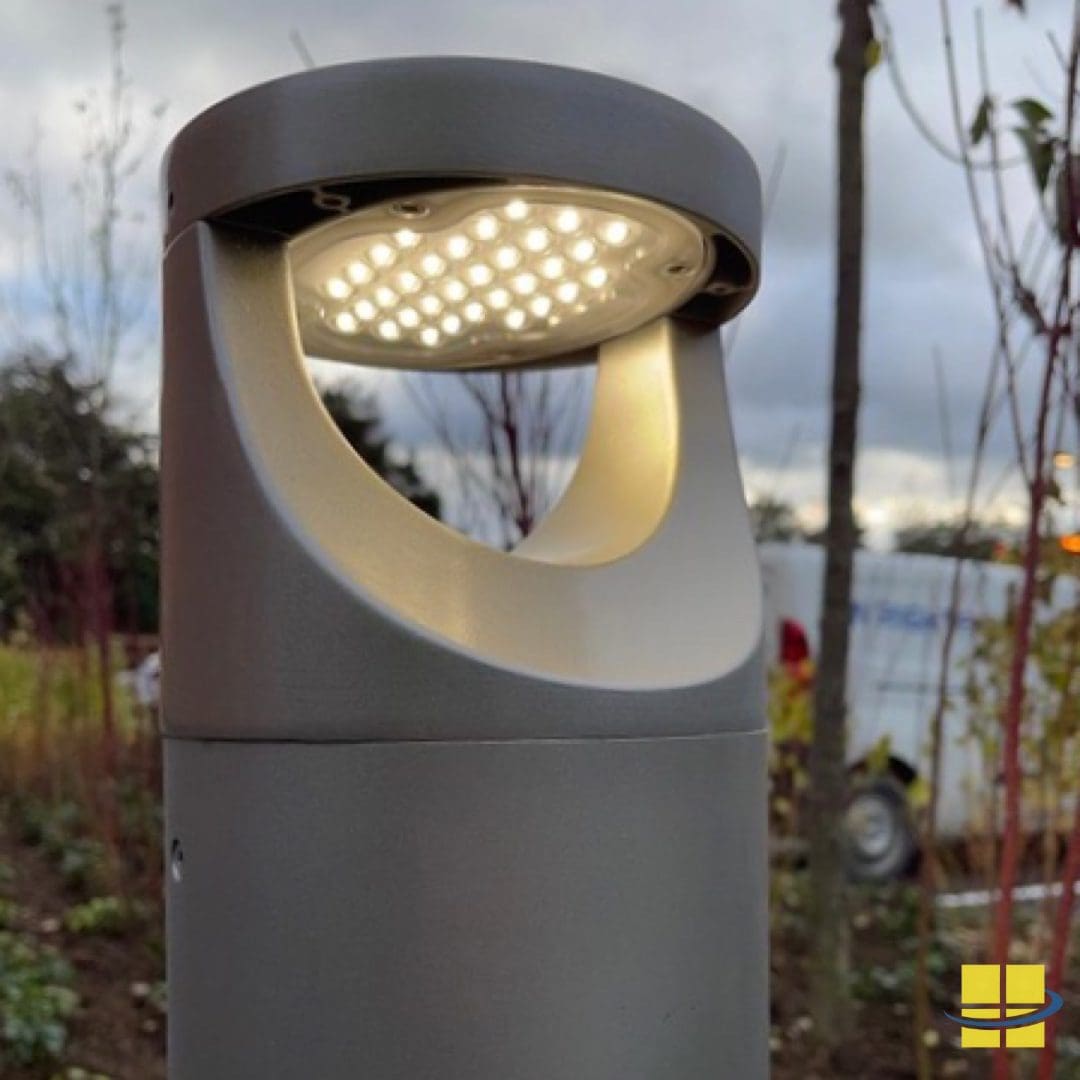
Bollard lights provide pedestrian-level illumination along pathways, waterfronts, and landscaped areas. In marine environments, they require extra resilience:
- Materials: Often constructed from Type 316 stainless steel or marine-grade aluminum. These materials resist corrosion from salt, humidity, and pollutants. Some models use fiberglass or UV-resistant plastic for additional durability in extreme conditions.
- Protective Finishes: Powder-coated finishes over chromate conversion coatings offer AAMA 2605-grade protection, tested for 4,000 hours of salt spray with minimal color fade over 10+ years.
- Sealing and IP Ratings: IP66 or higher ensures the fixture is sealed against water intrusion and airborne particulates.
- LED Technology: Long-life, energy-efficient LEDs (up to 200,000 hours L70) with optional amber wavelengths (590-595 nm) help reduce impact on marine wildlife and meet FWC certification requirements.
- Optics: Optic styles vary, cone reflectors for uniform 360° distribution, louvered designs for glare reduction, or full baffles to eliminate light spill toward water.
- Applications: Ideal for marinas, docks, seaside parks, and resort pathways where safety, visibility, and corrosion resistance are critical.
Click here to learn more about Marine Grade Finish LED Bollard Lights
Marine-Grade Wall Packs
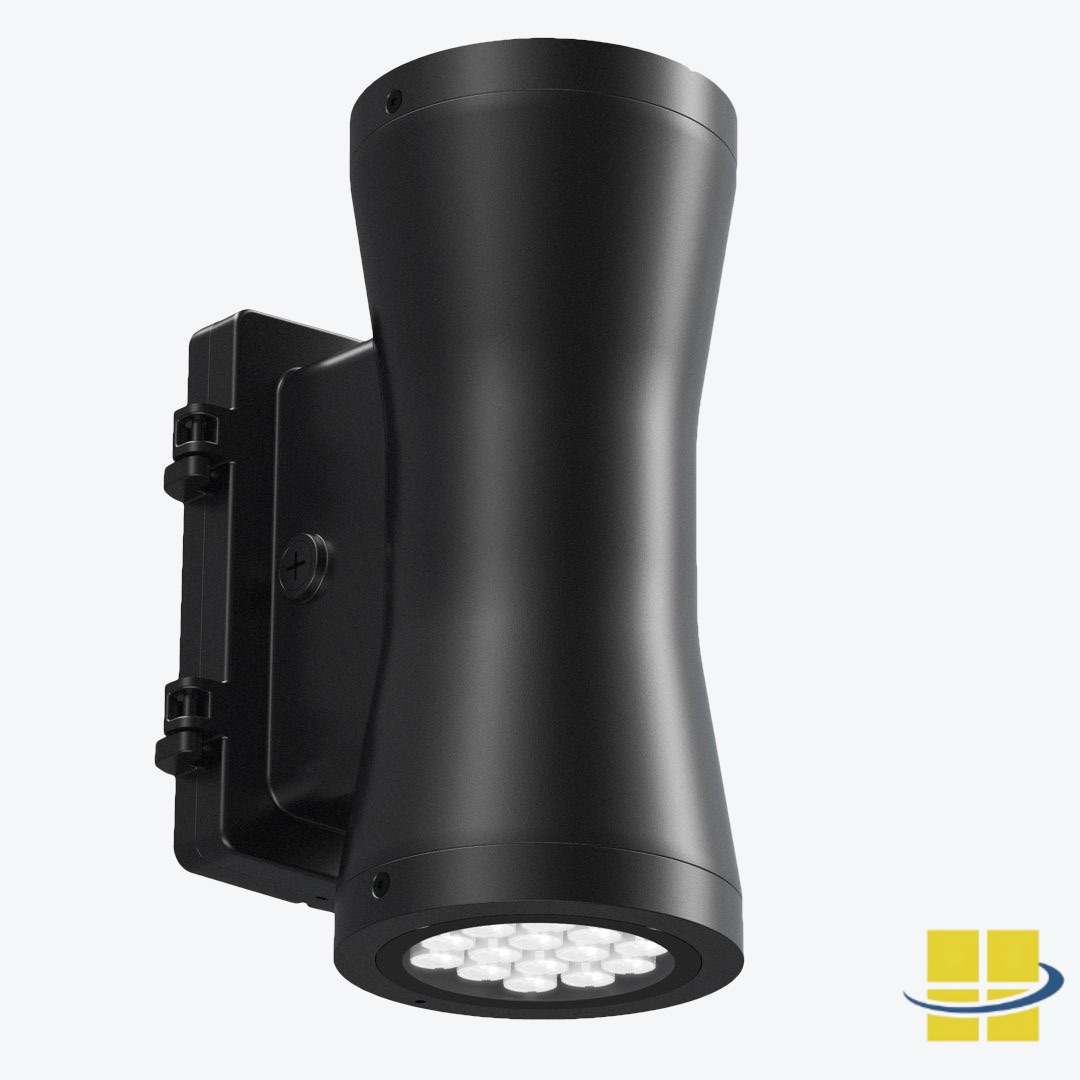
Outdoor Wall-mounted luminaires are widely used for area lighting, security, and building exteriors. While not all marine grade outdoor wall lights or wall sconces is labeled marine-grade, some are designed with equivalent protections:
- Construction: Heavy-duty cast aluminum housings treated with a chromate conversion process and powder-coated for added defense against salt and moisture.
- Environmental Resistance: Wet-location ratings are standard, and models with IP66 or better provide enhanced protection for coastal installations.
- Durability: Some versions include vandal-resistant housings or impact-rated lenses, beneficial in high-traffic areas.
- LED Performance: Designed for efficient performance with minimal maintenance, LEDs provide a long operational life and consistent light quality.
- Applications: Suitable for commercial buildings near the coast, boardwalks, and perimeter lighting where durable, sealed performance is necessary.
Marine-Grade Flood Lights
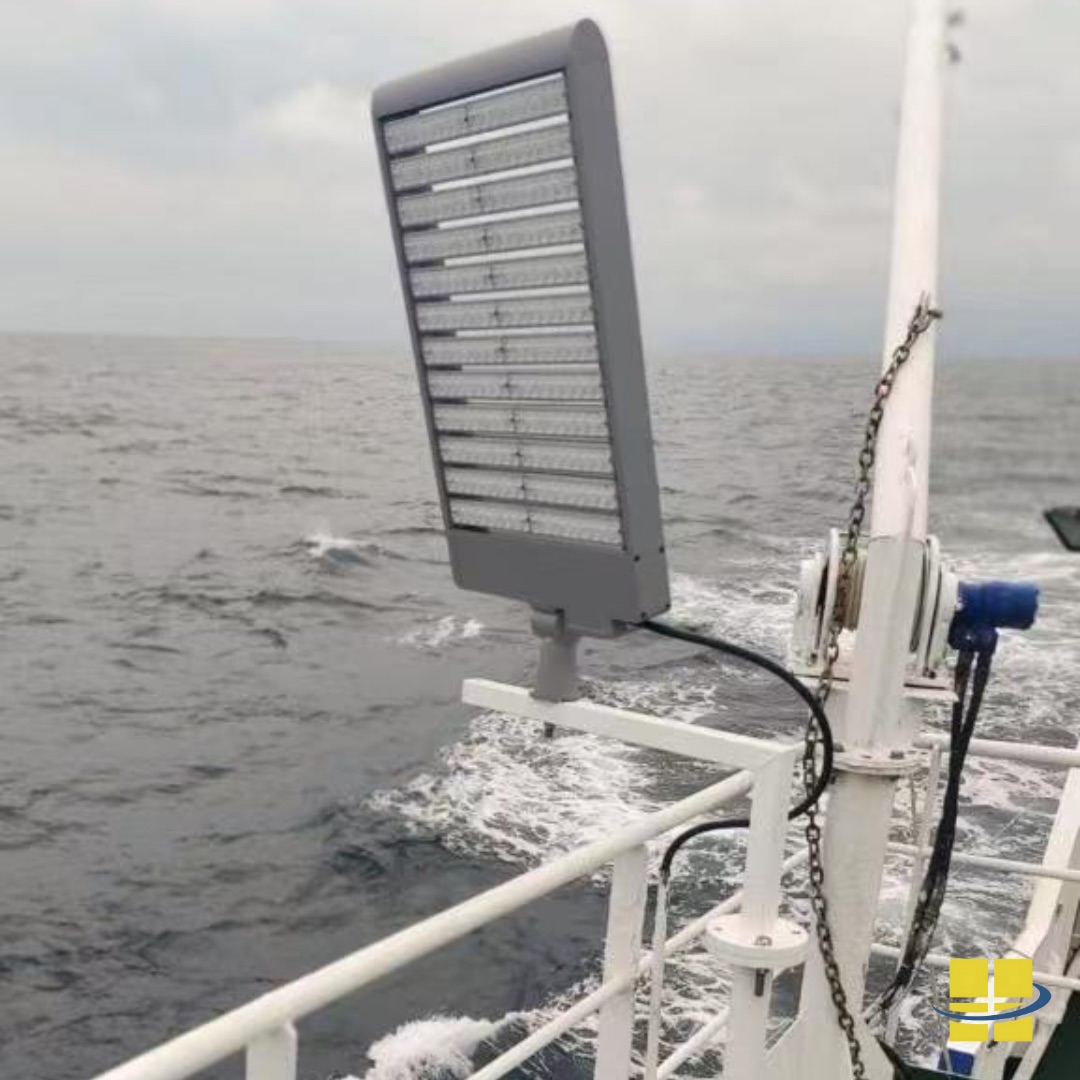
Flood lights are high-output fixtures used to illuminate large areas such as port terminals, shipyards, or recreational spaces near the shoreline:
- Resilience: Engineered for vibration resistance (3G-rated) and surge protection (10kA–20kA), essential in industrial marine settings with mechanical activity and electrical instability.
- Ingress Protection: IP66 and IP67 ratings confirm resistance to driving rain, water jets, and even temporary submersion—vital for dockside or crane-mounted applications.
- Thermal Design: Extruded aluminum housings with integrated heat sinks ensure stable performance even in hot, enclosed, or exposed environments.
- Optics and Control: Wide beam angles and Type IV distributions are common. Options include spill light control, glare shields, and precise aiming for task-specific lighting.
- Applications: Used at ports, marine rail yards, and coastal sports courts, these fixtures must offer consistent, reliable performance despite constant exposure to salt air and adverse weather.
Shared Marine-Grade Characteristics Across All Fixture Types
Regardless of fixture category, marine-grade lights share several critical specifications:
-
Corrosion-resistant materials like 316 stainless steel and marine-grade aluminum
-
Rust resistant
-
Fade resistant
-
High-performance finishes tested to AAMA 2605 or equivalent salt-spray resistance
-
Weather-tight sealing with IP66/IP67 ratings
-
Impact, vibration, and surge resistance
-
Long-lasting LEDs with minimal maintenance and low power consumption
-
Wildlife-safe and Dark Sky compliant optics and color options
-
UL, CE, RoHS, and FWC certifications, depending on the application
When searching for marine grade lighting online, users can filter results by material or finish to find the best options for their needs.

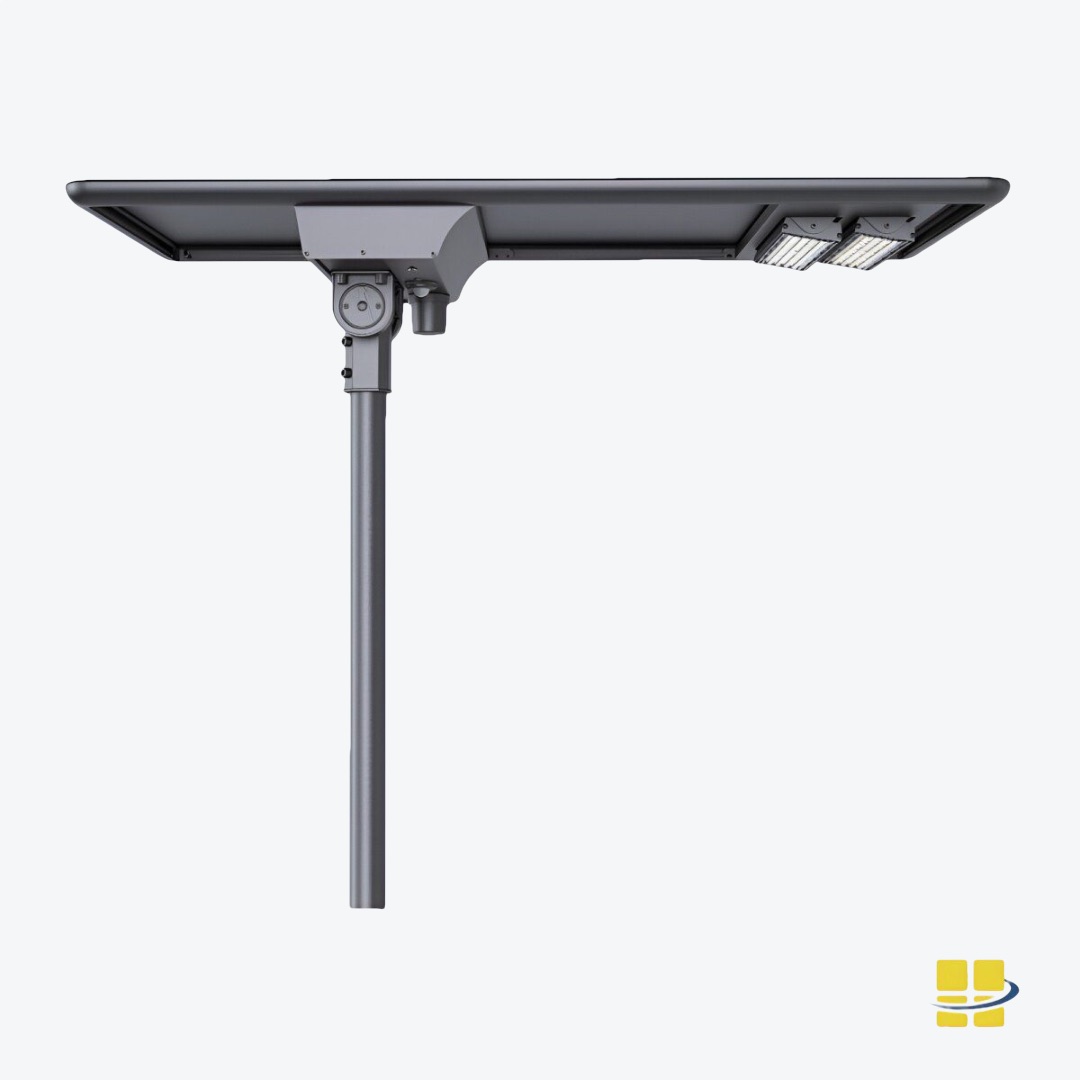
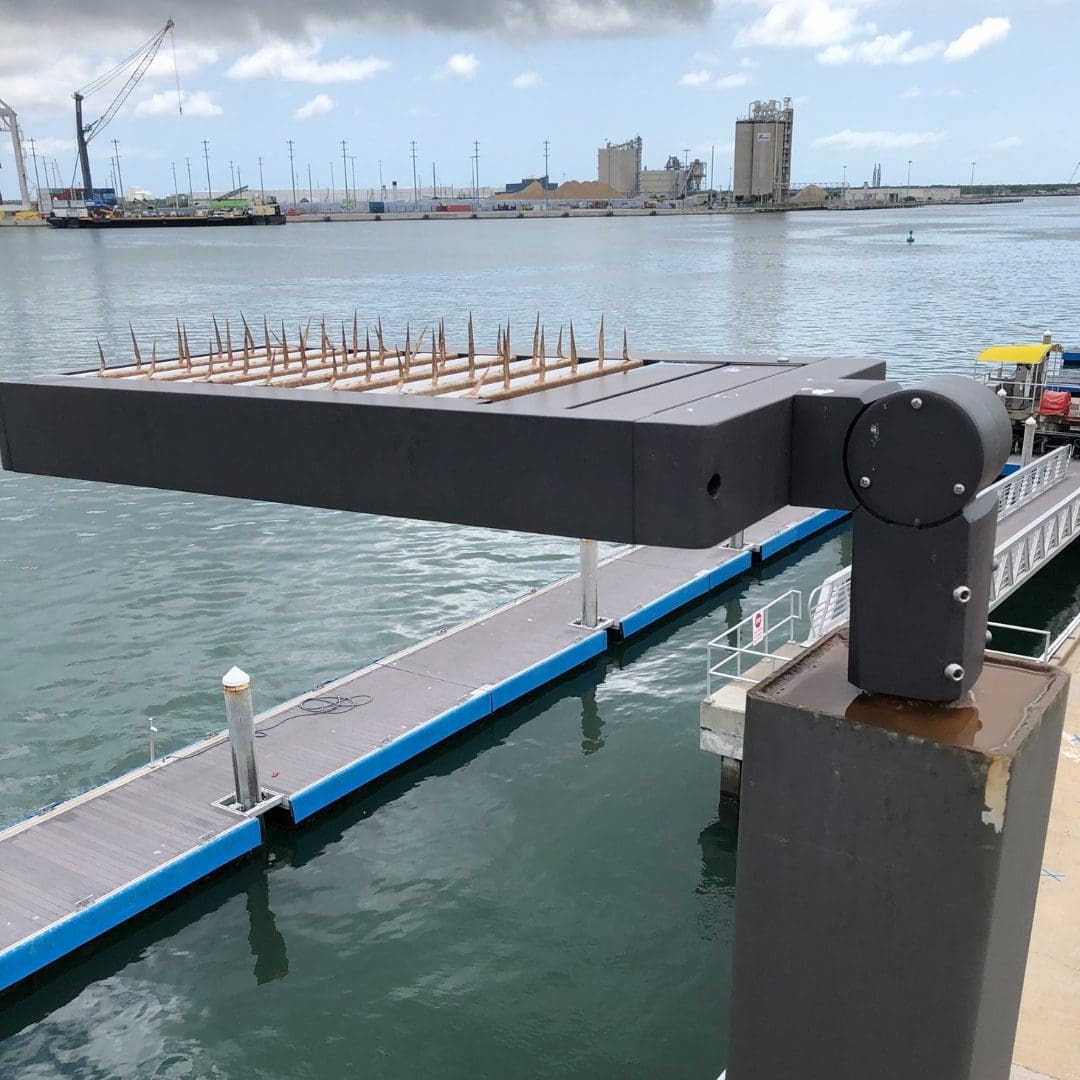
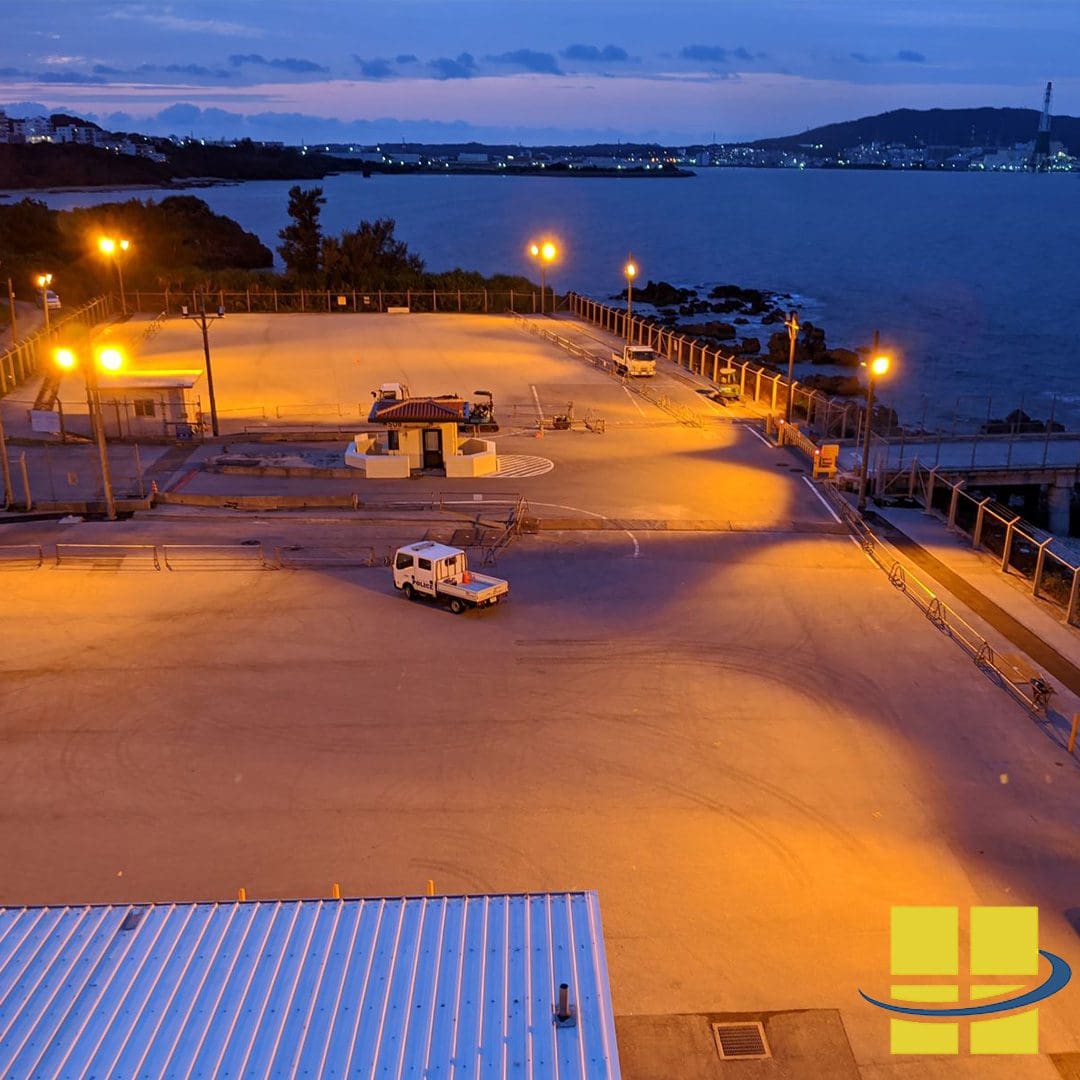
SUNA - Solar Area Lights with Premium Corrosion-Resistant Aluminum Alloy & 316 Stainless Steel Components
How To Install and Maintain Marine Grade Lighting?
Ensuring the longevity and optimal performance of marine grade lighting in coastal environments starts with proper installation and regular maintenance. When installing these lights, it’s important to carefully follow the manufacturer’s instructions and use recommended mounting hardware to protect against the harsh elements commonly found near the water. Positioning fixtures to minimize direct exposure to salt spray and wind can further extend their lifespan.
Routine maintenance is equally vital. Periodically cleaning the fixtures to remove salt deposits and debris helps preserve their corrosion resistance and keeps them looking their best. Inspecting lights for signs of wear or corrosion allows for early intervention, preventing minor issues from becoming costly repairs. Choosing fixtures made from solid brass or bronze adds an extra layer of protection, as these materials are renowned for their ability to withstand the elements and maintain their finish over time. By investing in quality marine grade lighting and adhering to a regular care schedule, you can enjoy reliable, beautiful illumination with minimal maintenance and replacement costs.
What Are Safety Considerations When Lighting Coastal Environments?
Safety is a top priority in coastal environments, where slippery surfaces, unpredictable weather, and low visibility can increase the risk of accidents. Marine grade lighting plays a crucial role in enhancing security and preventing mishaps by providing consistent, reliable illumination that stands up to the corrosive effects of salt and moisture. Well-placed lights help prevent slips, trips, and falls along walkways, docks, and entryways, while also deterring unauthorized access and improving visibility for boating and docking activities.
When selecting marine grade lights for safety, prioritize fixtures with proven corrosion resistance and robust durability to ensure they continue to perform in harsh coastal conditions. Features such as motion sensors and timer controls can further enhance security and energy efficiency, automatically adjusting lighting levels based on activity and time of day. By choosing high-quality marine grade lighting designed for coastal environments, you create a safer, more welcoming outdoor space that remains protected against the elements and delivers peace of mind for years to come.
Conclusion
Lighting in coastal environments demands more than ordinary protection, it requires engineering that takes every corrosive and environmental factor into account. Marine grade lighting offers peace of mind with materials, finishes, optics, and LED technology specifically designed for durability, safety, and performance.
For environments where salt, water, and harsh weather are daily challenges, marine-grade LED fixtures deliver unmatched resilience. Whether you're illuminating a boardwalk, marina, or a seaside commercial space, choosing the right marine-grade lighting solution ensures long-term value and dependable operation.
Marine Grade Lighting Frequently Asked Questions (FAQs)
You have questions on high-performance LED marine-grade lighting. We have answers. If you have a question that isn’t answered below, contact an Access Fixtures lighting specialist at (800) 468-9925 or click here.
What does "marine grade" mean in lighting?
Marine grade refers to fixtures specifically designed to resist corrosion and damage from salt air, moisture, and UV exposure, making them suitable for coastal or offshore environments.
What materials are used in marine grade light fixtures?
Typical materials include Type 316 stainless steel, marine-grade aluminum, fiberglass, and other corrosion-resistant metals or plastics. These materials are often treated with powder coatings and chromate conversion finishes for added durability.
How are marine grade lights different from standard outdoor lights?
Marine grade lights have enhanced corrosion resistance, higher IP ratings, UV-stabilized finishes, and sealed construction, whereas standard outdoor lights may not withstand prolonged exposure to salt spray or harsh coastal conditions.
What IP rating should marine grade fixtures have?
Marine grade fixtures should have a minimum IP66 rating. For submerged or in-grade applications, IP67 or IP68 ratings are recommended.
Are marine grade LED lights more energy-efficient?
Yes, they use the same energy-efficient LED technology as other high-quality fixtures, often with lifespans exceeding 100,000 hours and minimal maintenance requirements.
Can marine grade lighting be used inland?
Absolutely. These fixtures are often used in industrial, high-humidity, or chemically aggressive environments inland where corrosion resistance is still necessary.
Are there marine grade lights suitable for wildlife-sensitive areas?
Yes. Some marine grade LED fixtures are available in amber (590-595nm) to comply with wildlife regulations like FWC’s turtle-safe lighting guidelines.
What certifications should I look for in marine grade fixtures?
Look for UL 1598, UL 595 (for marine vessels), IP66 or higher, RoHS, CE, and optional certifications like Dark Sky or FWC depending on your application.
How long do marine grade LED fixtures last?
Many are rated for 100,000 hours or more, with some EXTREME-LIFE models rated up to 200,000 hours (L70). Proper thermal design and quality components ensure long-term reliability.
Do marine grade lights come with smart controls or customization?
Yes. Many fixtures offer features such as selectable wattage and Kelvin, 1-10V dimming, photocells, motion sensors, and compatibility with smart lighting systems.
What does marine-grade lighting mean?
Marine-grade lighting refers to fixtures specifically designed to withstand harsh marine environments, including exposure to saltwater, humidity, corrosion, vibration, and extreme weather. These lights are built with corrosion-resistant materials such as stainless steel, aluminum, or powder-coated housings, and they often carry IP (Ingress Protection) ratings for water and dust resistance. Marine-grade lights are designed to maintain performance, durability, and safety in boats, docks, and other offshore or coastal applications.
What two colors should the side lights be on a boat?
Side lights, also called navigation or running lights, indicate the position and direction of a vessel at night:
Port side (left): Red light
Starboard side (right): Green light
These color conventions help other vessels determine your boat’s heading and avoid collisions.
What does marine-grade mean?
“Marine-grade” generally describes any material, equipment, or fixture built to resist corrosion, water, UV, and environmental stress commonly found in marine environments. For lighting, this means the fixture can reliably operate on boats or near water without rusting, short-circuiting, or degrading.