
Shooting Range Lighting: Indoor Gun Range Lighting Guide
When firearms are involved near any lighting fixtures, special consideration must always be taken to ensure the safety of shooters. Indoor shooting ranges must always be properly and evenly lit, and these locations require careful thought and planning on behalf of lighting professionals. Access Fixtures creates custom shooting range lighting solutions that will work for indoor shooting ranges that address both the lighting and safety concerns of patrons. Although indoor shooting ranges are not standard in length, width, or number of lanes, these guidelines are widely applicable suggestions that can benefit anybody looking to light their indoor range. Professional lighting teams can assist in selecting and positioning fixtures to minimize glare and enhance safety.
Key Takeaways
-
- Specialized Lighting Requirements: Indoor shooting ranges require specialized lighting that ensures optimal visibility, safety, and accuracy for shooters. Factors such as glare reduction, even illumination, and durability are crucial.
- LED Lighting Advantages: LED lights are preferred for shooting ranges due to their energy efficiency, long lifespan, and ability to provide consistent and high-quality illumination, essential for both indoor and outdoor ranges.
- Customizable Solutions: Professional lighting systems, such as Access Fixtures’ EPTA linear fixtures, offer customizable options in color temperature, wattage, and mounting, ensuring they meet the specific needs of various shooting ranges
What is Range Lighting?
Range lighting refers to the specialized type of lighting used in shooting ranges to provide optimal visibility, safety, and precision for shooters. This lighting is meticulously designed to illuminate the target area, reduce glare and shadows, and minimize eye strain, ensuring that shooters can focus on their targets without distractions. Proper lighting along the firing line and in different zones of the range, such as staging, ammunition storage, and target zones, is essential for safety and visibility. Range lighting is a critical component of a safe and effective shooting range, as it enhances both the shooting experience and overall safety. The design and installation of range lighting require careful consideration of various factors, including the type of shooting activity, the size and layout of the range, and local regulations. By addressing these elements, range lights provide specialized illumination for shooting ranges, ensuring that shooters have a clear and consistent view of their targets, which is essential for accuracy and safety.
What Are The Lighting Requirements For Shooting Range Lighting?
Due to the unique setup of indoor shooting ranges, they have equally unique lighting requirements. Indoor ranges require specific lighting solutions to address safety, visibility, and operational needs. Learn about these requirements and why they matter from a safety and functionality standpoint.
- Glare - Too-harsh lighting creates serious visibility and safety issues for shooters. Glare control is essential to direct light precisely and minimize disruptive reflections, improving shooter comfort and accuracy. Being blinded by a light in your face is just annoying when you’re walking down the street, but when you have a firearm in your hands, it is just plain dangerous!
- Flood lights help minimize shadows and enhance visibility, particularly for outdoor ranges used during nighttime.
- Even Lighting - For professional and indoor competitive shooters, starting off on equal footing with the shooter next to you is mandatory. It is crucial to maintain even lighting downrange and in each shooting lane to ensure accuracy and uniformity.
- LED lights are efficient and perform better compared to traditional metal halide lights, making them ideal for shooting ranges. They help save on both energy and maintenance costs.
- Low-profile - Spending hundreds of dollars on a lighting system only to have someone shoot and destroy the fixtures within a week is every shooting range manager’s nightmare. Lighting must be tucked away or recessed in order to prevent this scenario.
- LED sports lights provide focused illumination over a wide area, suitable for both indoor and outdoor shooting ranges.
- Bright Staging Area - Being able to see your firearms, ammunition, and other equipment in the staging area is crucial.
- LED stadium lights offer reliable and high-performance lighting solutions for staging areas.
- Dust-proof - Discharged ammunition generates lead dust. While there are always ventilation systems in place to prevent harmful lead buildup in any reputable indoor shooting range, some of this dust can eventually infiltrate light fixtures and make them less effective.
- Compared to metal halide lights, LED lights offer better efficiency and performance.
- Long-Lasting - This doesn’t just apply to shooting range lighting, but no one wants to be changing a light bulb or a fixture every month or even every year. Longer-lasting fixtures reduce the frequency and cost of replacement, minimizing operational disruptions.
- Proper lighting for outdoor ranges is crucial, and LED lighting enhances durability and effective illumination.
- Color Temperature - It is recommended that light in indoor shooting ranges should not lean too warm or cool.
- For outdoor shooting ranges, floodlighting is essential to minimize shadows and glare.
- Dimmable - 0-10v dimming is recommended for indoor shooting ranges. Dimmed LED lighting allows for customized brightness levels, which is especially useful when conducting police training exercises to simulate real-life lighting scenarios.
- Stall lighting is important for ensuring optimal visibility by focusing on glare reduction.
Call Us At 800-468-9925 to Speak to an Access Fixtures Lighting Specialist about Your Project
How To Design a Professional Lighting System for A Shooting Range?
Designing a professional lighting system for a shooting range requires expertise and attention to detail. Collaborating with experienced engineers is essential to optimize lighting design, ensuring that specialized range lights provide even illumination, minimize glare and shadows, and ensure optimal visibility and safety for shooters. The system should also be energy-efficient, durable, and easy to maintain. A professional lighting designer can help create a customized lighting plan that meets the specific needs of the shooting range, taking into account factors such as the type of shooting activity, the size and layout of the range, and local regulations. By working with a professional, range owners can ensure that their lighting system not only meets but exceeds the necessary standards, providing a superior shooting environment for all users. A dedicated support team is available to assist range owners throughout the project, from initial design to ongoing maintenance and technical support.
What Are The Key Considerations for Lighting an Indoor Shooting range?
Indoor shooting ranges have unique lighting requirements due to their enclosed environment. Lighting systems in these ranges must perform reliably in challenging environments, including exposure to dust, moisture, and other environmental factors. Key considerations for indoor shooting ranges include minimizing glare and reflections, reducing eye strain, and ensuring optimal visibility and safety for shooters. The lighting system should be designed to provide even illumination, with a focus on the target area and minimal shadows, and should utilize ceiling-mounted or recessed ceiling fixtures for optimal lighting distribution. Additionally, the lighting system should be energy-efficient, durable, and easy to maintain to withstand the demands of these environments. LED lighting is a popular choice for indoor shooting ranges due to its energy efficiency, longevity, and low maintenance requirements. By addressing these considerations, range owners can create a safe and effective environment that enhances the shooting experience.
Why Does The Stall Lighting Design Matter?
Stall lighting design is a critical component of any shooting range lighting system, as it directly affects both shooter performance and overall safety. Proper lighting in each stall ensures that shooters have sufficient lighting to clearly see their targets, manage their firearms, and operate safely within their designated space. LED lights are the preferred choice for stall lighting in modern shooting ranges due to their outstanding energy efficiency, long lifespan, and ability to deliver consistent, high-quality illumination without producing excessive heat.
When designing stall lighting, it’s essential to consider the specific needs of the shooting range, including the type of shooting activity, the distance to the target, and the required foot candle levels for optimal visibility. LED fixtures can be strategically installed to provide even, glare-free illumination across each stall, helping to reduce shadows and minimize eye strain for shooters. This not only enhances shooter performance but also creates a more comfortable and secure environment for everyone using the range.
A well-designed stall lighting system should focus on delivering consistent illumination, reducing glare, and eliminating dark spots or uneven lighting that could distract shooters or compromise safety. By integrating advanced LED technology and carefully planning the placement of fixtures, shooting ranges can achieve proper lighting that supports accuracy, safety, and a positive shooting experience for all users.
Why Is It Important To Reduce Shadows in Shooting Ranges?
Reducing shadows in shooting ranges is essential for maintaining high levels of shooter accuracy, safety, and overall performance. Shadows can obscure targets, create visual distractions, and make it difficult for shooters to maintain proper focus, all of which can negatively impact the shooting experience. To address this, shooting ranges should prioritize proper lighting design and installation that specifically targets the reduction of shadows.
LED lights are highly effective in minimizing shadows due to their ability to provide even, focused, and consistent illumination. By selecting LED fixtures with a high color rendering index (CRI) and installing them at strategic angles, range designers can ensure that light is distributed evenly across the entire shooting area. This approach helps to eliminate dark spots and create a clear, unobstructed view of the target area for every shooter.
In addition to fixture selection and placement, it’s important to tailor the lighting system to the specific layout and activities of the range. Using focused beam fixtures and adjusting the direction of lights can further reduce shadows and enhance visibility. Proper installation and regular maintenance of the lighting system are also key to achieving and maintaining optimal illumination.
By taking these steps, shooting ranges can create a safer and more effective environment, allowing shooters to perform at their best with clear visibility of their targets. Reducing shadows not only improves shooter accuracy but also contributes to the overall safety and satisfaction of everyone using the facility.
How To Choose The Right LED Lighting Shooting Range Lights?
LED lighting options for shooting ranges offer a wide range of benefits, including energy efficiency, long lifespan, and high-quality illumination. When selecting LED lighting options for a shooting range, it’s essential to consider the specific needs of the range, including the type of shooting, the size of the range, and the desired level of illumination. Modular LED systems also allow for easy connection of multiple lighting modules, providing flexibility and adaptability for various outdoor sports lighting projects.
LED lights are known for their superior energy efficiency compared to traditional lighting options like metal halide lights. This efficiency translates to significant cost savings on energy bills, which is a crucial factor for range owners. Additionally, LED lights have a much longer lifespan, reducing the frequency and cost of replacements and maintenance.
One of the key advantages of LED lighting is its ability to provide consistent and high-quality illumination. This is particularly important in shooting ranges where visibility and accuracy are paramount. LED lights can be customized to offer the ideal color temperature and brightness levels, ensuring that shooters have a clear view of their targets without any distracting glare or shadows.
For indoor shooting ranges, LED fixtures can be strategically placed to provide even lighting across all shooting lanes. This helps to create a uniform shooting environment, which is essential for both practice and competitive shooting. LED sports lights and LED stadium lights are excellent choices for this purpose, as they offer powerful and focused illumination.
In outdoor shooting ranges, LED flood lights are highly effective in illuminating large areas, ensuring that shooters can see their targets clearly even in low-light conditions. These lights are also designed to withstand harsh weather conditions, making them a durable and reliable option for outdoor use.
Proper installation is crucial, and skilled installers play an important role in maximizing lighting efficiency, safety, and compliance with design specifications.
Overall, LED lighting options provide a versatile and efficient solution for both indoor and outdoor shooting ranges. By choosing the right LED fixtures, range owners can enhance the shooting experience, improve safety, and reduce operational costs, benefiting both professional training and recreational shooting activities.
EPTA: The Bright Choice
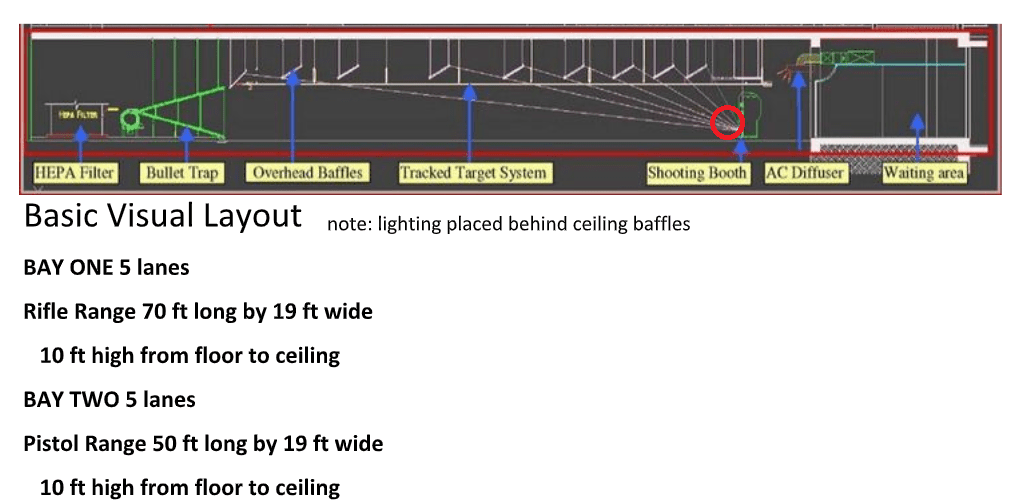
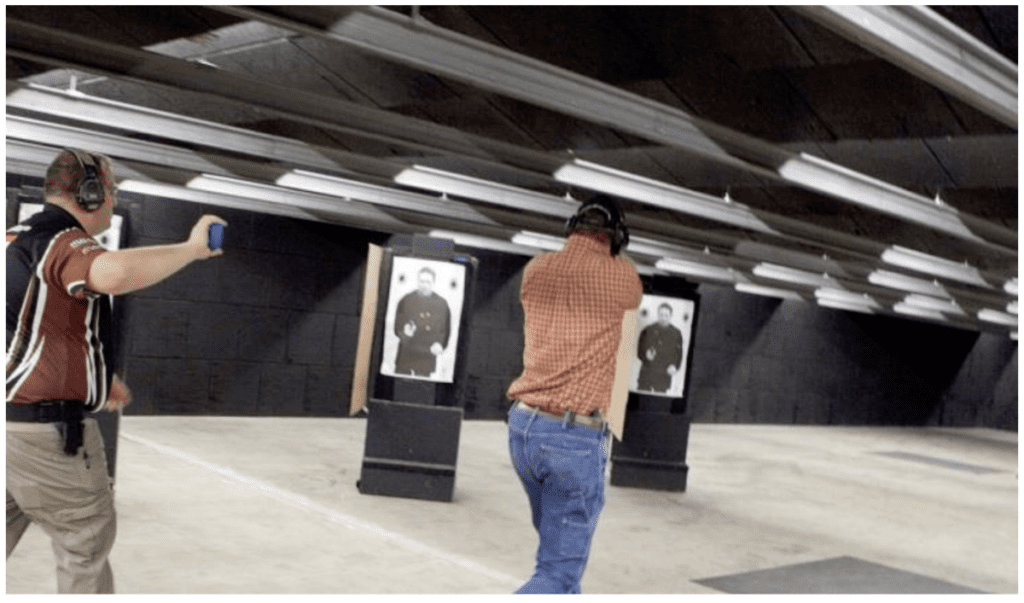
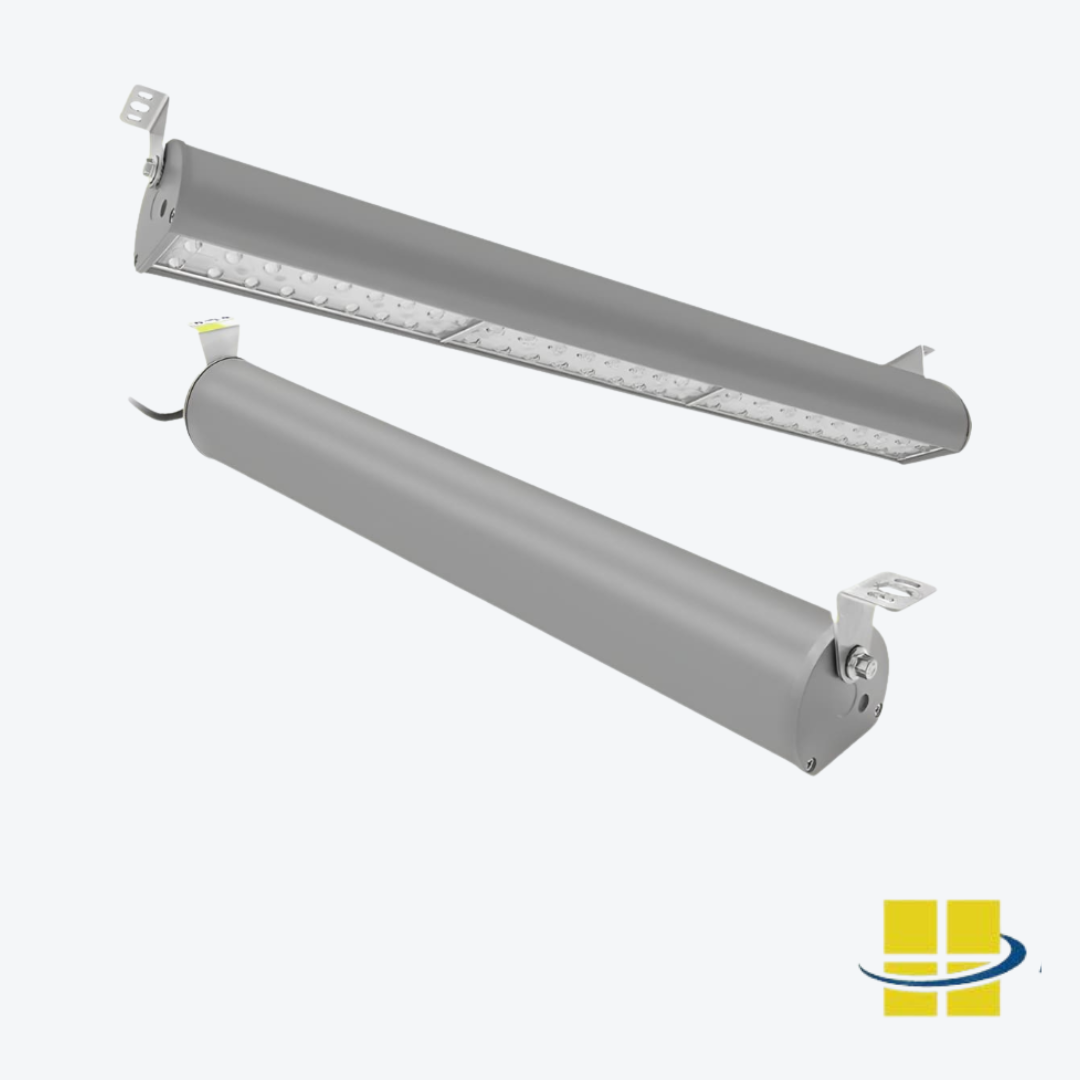
Access Fixtures’ EPTA linear fixture is a durable and versatile LED fixture that is perfect for indoor shooting ranges. It is sleek, efficient, and long-lasting. EPTA LED fixtures can be installed above or between ballistic baffles or serrated ceilings. These fixtures provide the most even and reliable lighting. Read the list of features below to see why EPTA linear fixtures are a perfect option for indoor shooting ranges, including those used by law enforcement personnel.
- L70 rated at over 200,000 hours
- Access Fixtures 5-year warranty
- Choice of 3000K, 4000K, and 5000K
- Choice of many different optics for the most efficient lighting
- 130 lumens per watt
- Choice of wattages includes 20w, 30w, 60w, 90w, 120w, and 150w
- Standard 70+ CRI, but 80+ and 90+ available at a small additional cost
- Mounting options include knuckle mount, bracket mount, and suspension cables
- IP67 – Dustproof, bug-proof, waterproof, and perfect for dirty and wet locations
- 0-10v dimming provides a solution for law enforcement training
What is a Photometric Analysis and How To Get One for Your Project?
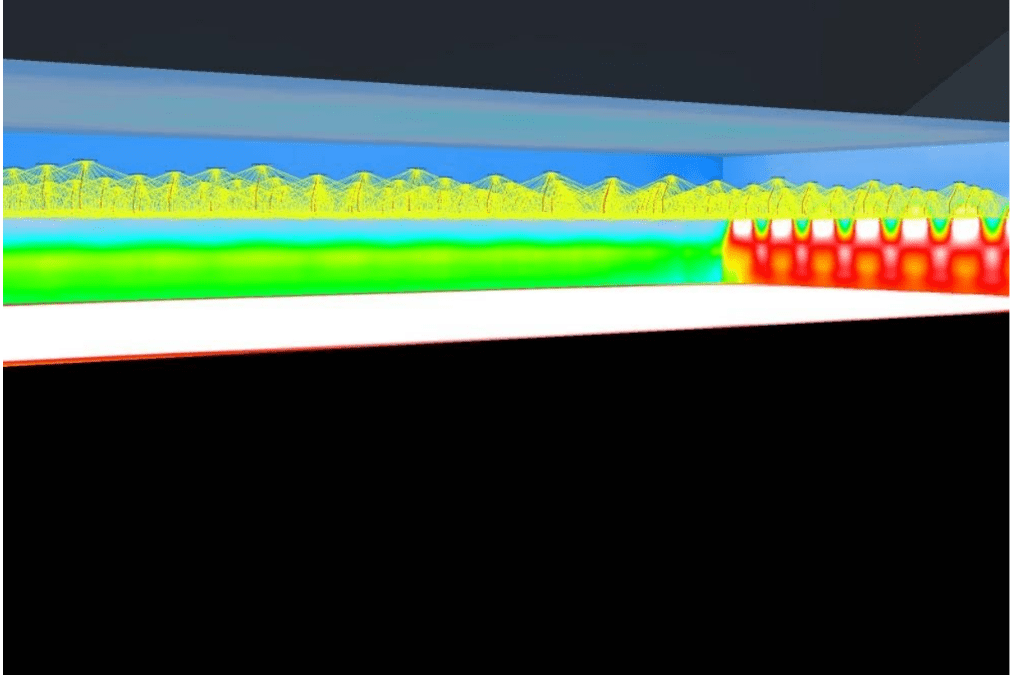
A photometric analysis is a computer simulation of a particular project. Whether using these fixtures to illuminate a parking lot, athletic field, rail yard, dock, or something else entirely, a photometric analysis is an easy way to quantify your light levels before making a big purchase. This service will provide average footcandles, max/min (uniformity) ratios, minimum footcandles, light trespass levels, and more. When the report(s) are generated, a lighting specialist will walk you through them, page by page, so you know exactly what you will be receiving. Call us at 800-468-9925 or email [email protected] for more information about ordering a photometric analysis for your project.
Why Lighting Control Systems and Timers Matter in Indoor Shooting Ranges?
Automated and centralized controls for lighting management, such as control systems and timers, can help optimize the lighting system in a shooting range, improving safety, efficiency, and cost-effectiveness. Timers can be programmed to turn lights on and off at specific times of the day, reducing energy consumption and extending the life of lighting fixtures. These controls can also be used to adjust lighting levels and color temperature, creating a customized lighting environment for different shooting activities. Additionally, control systems can be integrated with other range systems, such as ventilation and sound systems, to create a comprehensive and efficient range management system. By implementing these technologies, range owners can ensure that their lighting system is both effective and economical.
What Are the Best Practices for Installation and Maintenance of Shooting Range Lights?
Proper installation and maintenance are critical to ensuring the optimal performance and longevity of a lighting system in a shooting range. For best results, work with experienced installers who understand the specific requirements of shooting range lighting and can ensure compliance with design specifications. Best practices for installation include following the manufacturer’s instructions, using high-quality materials and fixtures, and ensuring proper electrical connections, especially when assembling modular lighting systems where the connection between modules is crucial for versatility and adaptability. Regular maintenance should include cleaning and inspecting lighting fixtures, replacing lamps and ballasts as needed, and checking both electrical and modular connections. Additionally, it is recommended to work with a qualified lighting expert to design and install the light fixtures, and to perform regular maintenance and repairs. By adhering to these best practices, range owners can ensure that their lighting system remains reliable and effective for years to come.
Conclusion
Effective lighting is a critical component of any indoor shooting range, impacting both safety and shooter performance. By selecting LED lighting solutions tailored for range use, range owners can create a well-lit, efficient, and safe environment that enhances the shooting experience while minimizing maintenance and operational costs. Professional lighting systems, like those offered by Access Fixtures, provide the necessary customization and durability to meet these unique needs.
Shooting Range Lighting Frequently Asked Questions (FAQs)
What is range lighting, and why is it important?
Range lighting is specialized lighting designed for shooting ranges to enhance visibility, reduce glare, and minimize eye strain, ensuring a safe and effective shooting environment.
What are the key considerations for lighting an indoor shooting range?
Key considerations include reducing glare, providing even illumination, ensuring durability, and maintaining an appropriate color temperature for optimal visibility and safety.
Why are LED lights recommended for shooting ranges?
LED lights are energy-efficient, have a long lifespan, and provide consistent illumination, making them ideal for both indoor and outdoor shooting ranges.
How does glare affect shooting range safety?
Glare can impair a shooter's visibility, leading to safety risks. Proper lighting design minimizes glare to maintain clear visibility of targets.
What type of lighting is recommended for staging areas in shooting ranges?
Bright and reliable LED stadium lights are recommended for staging areas to ensure clear visibility of firearms, ammunition, and equipment.
How can I protect lighting fixtures from damage in an indoor shooting range?
Using recessed or low-profile fixtures helps prevent damage from accidental shots and ensures the longevity of the lighting system.
What is the recommended color temperature for indoor shooting ranges?
A neutral color temperature, neither too warm nor too cool, is recommended to avoid eye strain and provide clear target visibility.
How can a photometric analysis benefit my shooting range?
A photometric analysis simulates the lighting setup, providing detailed information on light levels, uniformity, and potential light trespass, ensuring the design meets your requirements.
What maintenance practices are important for shooting range lighting?
Regular maintenance, including cleaning fixtures, inspecting electrical connections, and replacing lamps as needed, ensures optimal performance and longevity.
Can lighting control systems be integrated into shooting ranges?
Yes, control systems can be used to adjust lighting levels, schedule operation times, and integrate with ventilation and sound systems, enhancing efficiency and safety.
Is lighting important for shooting range safety?
Yes, proper lighting is crucial for shooting range safety. Adequate illumination ensures that shooters can clearly see their targets and surroundings, reducing the risk of accidents. In particular, lighting along the firing lines is essential to maintain visibility and safety for all participants.
What should I consider when lighting an indoor or underground shooting range?
When lighting an indoor or below-ground shooting range, consider the lack of natural daylight and the need for consistent, high-quality artificial lighting. Below-ground construction often requires enhanced sound insulation and specialized lighting solutions to ensure safety and visibility. It's important to provide uniform illumination along all lines within the range, including firing lines and target lines, to support safe and effective shooting.
How do I choose the right color temperature for my range?
The ideal color temperature for a shooting range is typically between 4000K and 5000K, which provides a neutral white light that closely resembles daylight. This helps shooters see targets clearly and reduces eye strain.
How does glare affect shooting performance?
Glare can significantly impact shooting performance by causing discomfort and reducing visibility. Excessive glare may make it difficult for shooters to focus on their targets and can affect their ability to take an accurate shot. Proper lighting design minimizes glare and ensures clear visibility along all critical lines in the range.