

What Are The Rules for Flagpole Lighting?
Flagpole lighting is a crucial element for anyone displaying a flag, especially after sunset. According to the US Flag Code, the American flag should be properly illuminated if it is displayed at night, ensuring it is visible and respected at all times. Solar flagpole lights have become a popular solution for this purpose, offering energy efficiency, easy installation, and cost-effectiveness. These flagpole lights use solar panels to collect energy from the sun during the day, storing it in batteries to power the lights throughout the night. Whether you’re illuminating a flag at home, a business, or a public space, it’s important to consider factors like pole height, flag size, and the direction of lighting to ensure your flag is properly illuminated and complies with flag code requirements. With the right flagpole lighting, your flag will shine brightly and proudly, no matter the hour.
Key Takeaways
-
- Proper flagpole lighting is essential to comply with the US Flag Code, ensuring your flag is respectfully illuminated from dusk to dawn.
- Solar powered flagpole lights offer an energy-efficient, cost-effective, and easy-to-install solution that performs well in various weather conditions.
- Choosing the right brightness, durability, and installation position will ensure your flag is prominently visible and your lighting setup lasts for years.
Flag lighting is easy, low maintenance, and looks great if approached with a little forethought. Customer satisfaction with a flag light often hinges on its brightness and quality. This article will review what you should consider when lighting a flag. First, you need to answer a few questions.
- How tall is your flagpole?
- How far away can the light fixtures be placed from the flagpole?
- Will the flag lighting be used occasionally or every evening?
- Will the flag lighting be hit by irrigation system water, snow, or heavy rain?
- Will the light fixtures be hit by debris from mowers or weed whackers?
Weather conditions and placement can significantly affect the performance and longevity of your flagpole light. Additionally, the amount of light a fixture can produce is a key consideration to ensure your flag is properly illuminated.
How Much Light is Needed to Properly Illuminate a Flag?
The amount of light required for flag lighting varies depending on the ambient light around the flag. A flag located in a rural area will stand out against a dark sky using less light than a flag in an urban area with lots of other light. The goal is to keep the flag well-lit and on display throughout the night, ensuring it is properly showcased and visible. Many outdoor flagpole solar lights are equipped with sensors that automatically turn the lights on at dusk and off at dawn, keeping the flag illuminated all night long. An outdoor flagpole solar light, specifically designed for illuminating flags during nighttime hours, can be an excellent solution. The flag in the urban area will need more light to make the flag stand out against the night sky.
How Many Light Fixtures Are Needed for Flag Lighting?
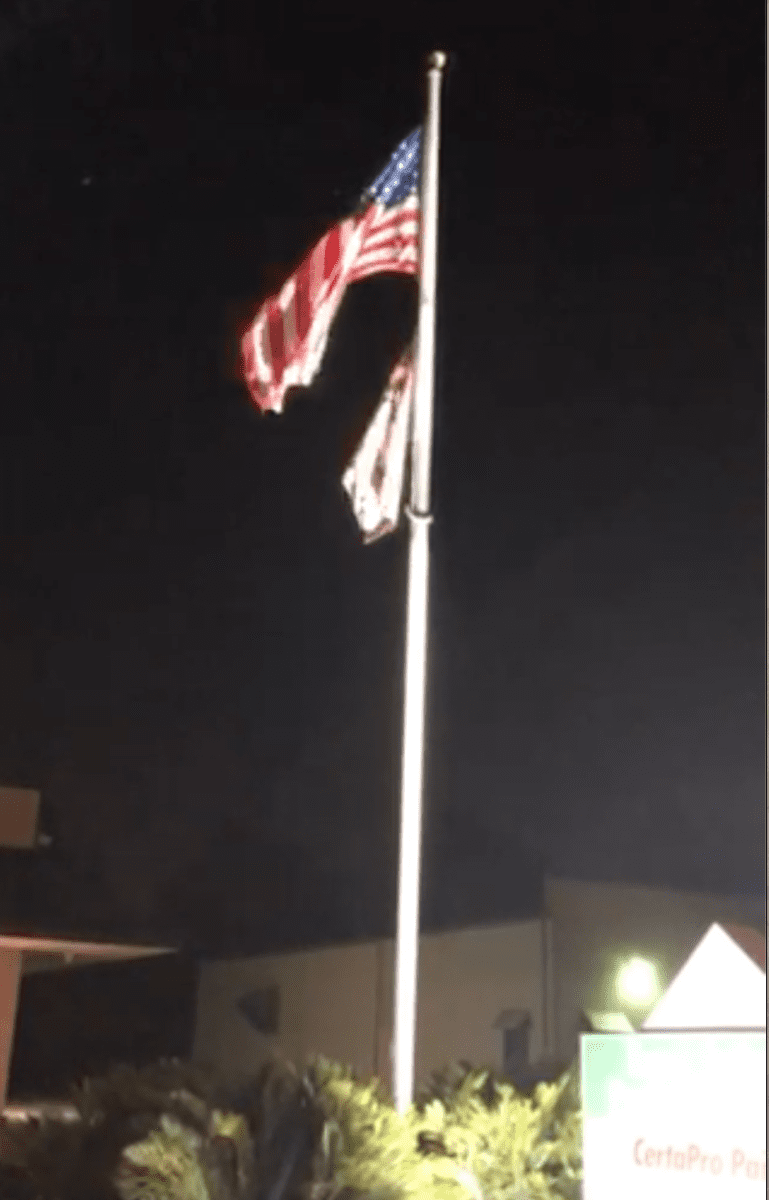
Proper flag lighting typically requires a light kit designed for illuminating flagpoles, which usually includes two or three light fixtures. Only one light fixture will be directional and could cause dark shadows on the flag, depending on the direction the flag is waving. Adjusting the angles of the fixtures helps to optimize illumination and reduce shadows. Two or three light fixtures provide light from multiple directions, reducing or eliminating shadows from the flagpole. Using a spotlight with a focused point can further enhance the visibility of the flag at night. Light emitted from three directions will eliminate flagpole shadows.
How Many Lumens and What Beam Spread Are Needed for Flag Lighting?
The lumens required to light a flag depend on the setting, rural or urban, the height of the pole, and the size of the flag. A flagpole solar light, fully manufactured in the U.S.A., is an essential product for illuminating American flags and ensuring compliance with the U.S. Flag code, which mandates proper illumination for flags displayed at night. Pole height is typically 3 to 4 times the length of the flag. A 6’ flag would be appropriately mounted on a 20’ to 24’ tall flagpole. The flag size also determines the diameter of an extended flag in any direction and the pole height. A 6’ flag would extend 6’ in any direction, thus you need to illuminate a 12’ diameter. These recommendations apply to most flagpoles, but it's important to verify compatibility with your specific setup to ensure proper fit and function. You may use the data below as a guide. For commercial applications, you may want to speak with an Access Fixtures lighting specialist.
- 15ʹ flag poles – 1500 to 2500 lumens and a 20° beam spread
- 20ʹ flag poles – 7,000 to 10,000 lumens and a 20° beam spread
- 25ʹ poles require a spot beam spread (35˚-60˚) and 10,800-27,400 lumens
What Types of Flagpole Lights Can I Choose From?
When it comes to illuminating your flag, there are several types of flagpole lights to choose from. Solar-powered flagpole lights are a top choice for many, thanks to their eco-friendly operation and minimal maintenance needs. These lights harness solar energy during the day and automatically illuminate your flag at night, making them both convenient and cost-effective. LED flagpole lights are another popular option, known for their energy efficiency and long lifespan, which means fewer replacements and lower electricity costs over time. Traditional incandescent flagpole lights are still available, but they tend to use more energy and require more frequent replacement compared to solar-powered flagpole lights and LEDs. When selecting a flagpole light, consider which type best fits your energy preferences, maintenance expectations, and overall lighting needs.
What is the Best LED or Solar Flagpole Light for Flagpole Lighting?
Without a doubt, the best LED light fixture for flagpole lighting is the APTA. Why? The most frequent reason that sign lighting and flag lighting fail is that the glass lens breaks or the plastic lens cracks. Water infiltrates the electronics, and the fixture fails. APTAs do not have any glass, and the LEDs are protected by metal cladding. APTA is built out of die-cast aluminum for maximum durability for impact from anything. Also, APTA features built-to-order optics for the most appropriate optics for your application. The APTA can be easily attached to the flagpole, often using the ornament at the top, and remains securely attached for optimal stability and illumination.
In addition to traditional LED fixtures, solar lighting offers an eco-friendly and efficient solution for illuminating flags, especially in areas without easy access to electricity. These all-in-one systems include solar panels and batteries, making them ideal for residential and commercial settings while promoting sustainability and ease of installation. Quality solar flagpole lights are designed to last for several years, with many models offering warranties of up to two years, ensuring long-term performance and reliability.
- Vandal Resistant - Cast aluminum frame, die-cast aluminum slip fitter mount, and metal cladding over the LEDs to minimize vandalism.
- EXTREME LIFE - LEDs are rated L70 @ 200,000 hours, meaning virtually no maintenance. If maintenance were ever to be required, parts are available and are field replaceable.
- IP67 Rated - Submersible rated for protection against water damage. If it is hit by a stream of water such as that from a hose or irrigation system, APTA will not be affected.
How Close or Far Should the LED Fixtures be Installed From the Flagpole?
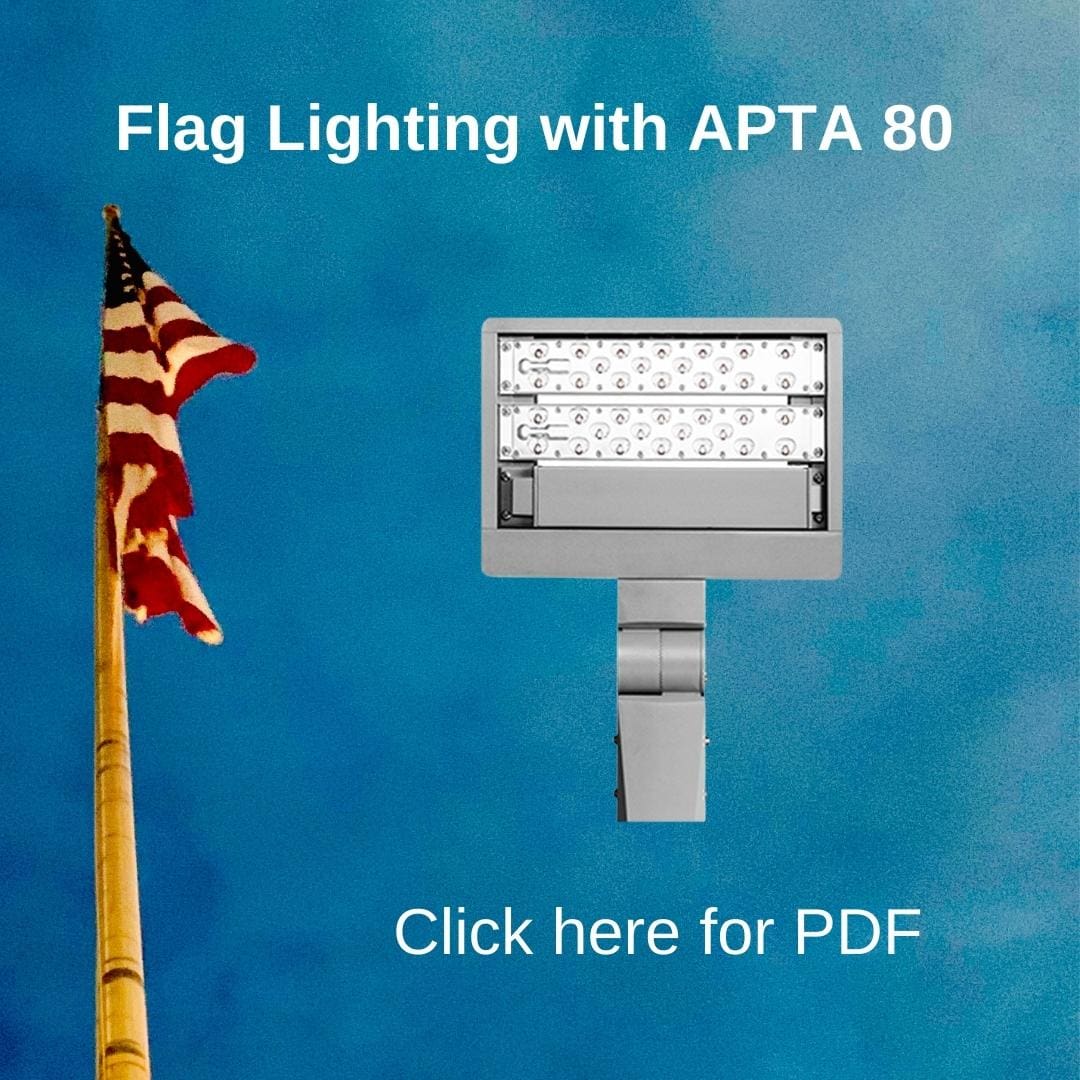
While there are no hard and fast rules, typically the two LED flag lights would be mounted at a minimum of half the length of the flag away from the pole and as far as a flag length away from the flagpole. Proper placement of the fixtures not only illuminates the flag but also enhances the appearance of the surrounding lawn, making your patriotic display stand out at night. Customers have noted that this setup fits their flag pole perfectly, enhancing the visual appeal and ease of installing the lights. Installing the fixtures according to the manufacturer's instructions ensures optimal performance and safety. Check out the PDF on the right for an example featuring a 29’ pole.
How To Choose the Right Solar Flagpole Light?
When it comes to selecting the perfect solar flagpole light, there are several key factors to consider to ensure your flag is properly illuminated throughout the night. Proper flagpole lighting is not only a practical choice but also a sign of patriotism and respect for the flag, reflecting adherence to flag etiquette. Here are some essential considerations to keep in mind:
Key Considerations for Solar Flagpole Lights
- Brightness: Ensure the solar flagpole light has a high lumens rating to provide sufficient illumination for your flag. The brighter the light, the more visible your flag will be during dark hours.
- Solar Panel Efficiency: Opt for a light with high-efficiency solar panels. This maximizes energy harvesting and minimizes charging time, ensuring your flagpole light is always ready to shine.
- Battery Life: Look for a solar flagpole light with a long-lasting battery. A robust battery ensures the light can power through the entire night, keeping your flag properly illuminated.
- Durability: Choose a light made from durable materials that can withstand various weather conditions, including rain, snow, and wind. This ensures longevity and reduces maintenance needs.
- Adjustability: Select a light with adjustable arms or brackets. This feature allows you to position the light to perfectly illuminate your flag, regardless of the flagpole’s height or the flag’s size.
- Compliance: Make sure the light complies with the American Flag Code. Proper illumination of the American flag during dark hours is not just about aesthetics; it’s about respecting the flag code and doing your flag justice.
- Instructions: Always read and follow the manufacturer's instructions for installation and maintenance to ensure proper setup and optimal performance of your flagpole light.
What Are The Benefits of Solar Flagpole Lighting?
Solar flagpole lighting offers numerous advantages that make it an excellent choice for illuminating your flagpole. Solar lights are an effective way of reducing electricity costs while providing reliable illumination for your flagpole. Here are some of the key benefits:
Energy Efficiency and Cost Savings
- Renewable Energy Source: Solar flagpole lights harness solar power, reducing your reliance on non-renewable energy sources. This not only lowers your carbon footprint but also promotes environmental sustainability.
- Zero Energy Costs: With solar power, you’ll enjoy zero energy costs. This means significant savings on your electricity bill, making solar flagpole lights a cost-effective solution.
- Long-Lasting: Solar flagpole lights are designed to last for many years. This longevity reduces the need for frequent replacements, saving you money and effort in the long run.
Key Features to Consider
Selecting the right flagpole light involves more than just picking the brightest option. Key features to consider include the light’s brightness, which should be sufficient to illuminate your flag without overpowering your landscaping or surrounding area. The direction of the lighting is also important, as it affects how well the flag is displayed and can influence the overall appearance of your yard or property. Durability is another critical factor; your flagpole light should be able to withstand inclement weather, including rain, snow, and high winds, to ensure reliable performance throughout the year. Additionally, look for lights that offer easy installation, energy efficiency, and minimal maintenance requirements. By focusing on these features, you can choose a flagpole light that will keep your flag bright and visible in any conditions.
How Do You Install Flagpole Lighting?
All lighting, including flag lighting, should be installed and maintained by a licensed electrician.
Installation Process and Recommendations
15ʹ flag poles – 1500 to 2500 lumens and a 20° beam spread
20ʹ flag poles – 7,000 to 10,000 lumens and a 20° beam spread
25ʹ flag poles – require a spot beam spread (35˚-60˚) and 10,800-27,400 lumens
Commercial Installation Recommendations:
- Use a 2” SCH 40 galvanized pipe set in cement, extending at least 4” above the cement
- The conduit to power the light fixtures should come up through the galvanized pipe
- For maximum durability, use light fixtures with a slip fitter mount
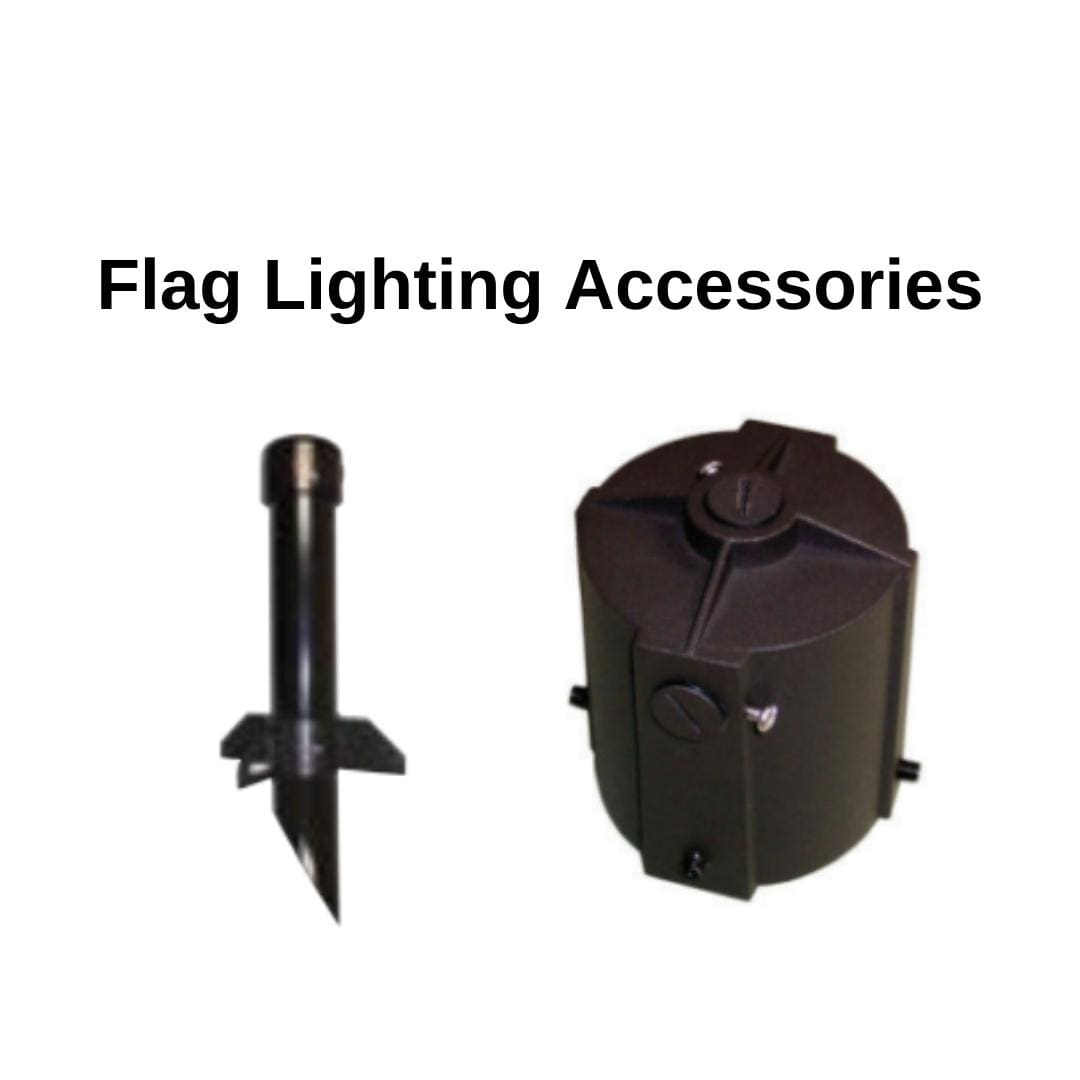
- For light fixtures with a knuckle mount, use an SLYP Tenon Top Fitter
Residential Installation Recommendations:
- The commercial installation recommendations are best
- For knuckle mount fixtures, you may use a STEK Heavy Duty Ground Stake
Questions? Access Fixtures lighting specialists are ready to answer your questions.
Easy Installation Options for Solar Flagpole Lights
- Simple Installation Process: Solar flagpole lights are designed for easy installation. Most models are designed to easily attach to the flagpole, often using simple brackets or fittings. You won’t need complex wiring or advanced electrical skills, making the installation process straightforward and hassle-free.
- No Wiring Required: Most solar flagpole lights are wireless, which simplifies the installation process. You can set up your flagpole light without worrying about running wires or finding power sources.
- Adjustable Brackets: Many solar flagpole lights come with adjustable brackets. These allow you to position the light to perfectly illuminate your flag perfectly, ensuring optimal visibility and compliance with the flag code.
By considering these factors and benefits, you can choose the right solar flagpole light for your needs and enjoy the many advantages of solar flagpole lighting.
Conclusion
Choosing the best flagpole light ensures your flag is properly illuminated, respectful of flag etiquette, and proudly displayed from dusk until dawn. Solar powered flagpole lights provide an energy-efficient, easy-to-install, and durable solution that works well in most weather conditions. By considering factors such as brightness, battery life, weather resistance, and installation position, you can achieve a beautiful patriotic effect that honors Old Glory and other flags flown at your property. Proper illumination not only complies with the US Flag Code but also enhances your property's curb appeal and showcases your pride in your country. Whether you have a small residential flagpole or a large commercial display, investing in quality flagpole lighting will keep your flag shining bright through the darkness and beyond sunrise.
Frequently Asked Questions (FAQs) About The Best Flagpole Light
Do solar flagpole lights need direct sunlight to work effectively?
Direct sunlight charges solar panels most efficiently, but many solar flagpole lights can also charge in indirect sunlight. However, optimal placement is important to ensure sufficient charging and night-long illumination.
How bright should a flagpole light be to properly illuminate a flag?
For most flagpoles, a brightness of 150 to 300 lumens is recommended to achieve clear and balanced illumination without overpowering the surrounding area.
Can I use solar flagpole lights on any size flagpole?
Solar flagpole lights come in various sizes and mounting options. It’s important to determine your pole height and diameter to select a compatible light that fits securely and illuminates the flag properly.
How long do solar flagpole lights typically last?
Quality solar flagpole lights can last several years with proper maintenance. Batteries usually provide illumination for 8 to 10 hours after a full day of charging, and the entire fixture can last multiple seasons depending on weather exposure.
Is it acceptable to leave flagpole lights on all night?
Yes. According to the US Flag Code, the American flag should be illuminated if displayed after dark. Solar flagpole lights with automatic dusk-to-dawn sensors make this easy and energy-efficient.
How many light fixtures do I need to properly light my flag?
Typically, two to three fixtures positioned at different angles reduce shadows and ensure the flag is evenly lit. One fixture may cause shadows depending on flag movement and lighting direction.
What maintenance is required for solar flagpole lights?
Regularly clean the solar panels to remove dust and debris, check for weather damage, and ensure batteries are functioning. Proper maintenance helps maintain brightness and extends the lifespan of your lights.
Can solar flagpole lights withstand inclement weather?
Most quality solar flagpole lights are designed with weather-resistant materials and have IP ratings that protect against rain, snow, and wind, ensuring reliable performance year-round.

Can Tennis Court Lighting Be Dark Sky Friendly Like the US Open?
Discover how Dark Sky tennis court lighting can bring US Open–level performance to municipal, club, and residential courts while reducing glare and light spill.

Access Fixtures Launches CYLI – Up/Down Pendant and Ceiling Mount LED Lights
High-performance ceiling mount LED lights with selectable wattage, selectable Kelvin, built-in photocell, and versatile up/down lighting for architectural spaces.
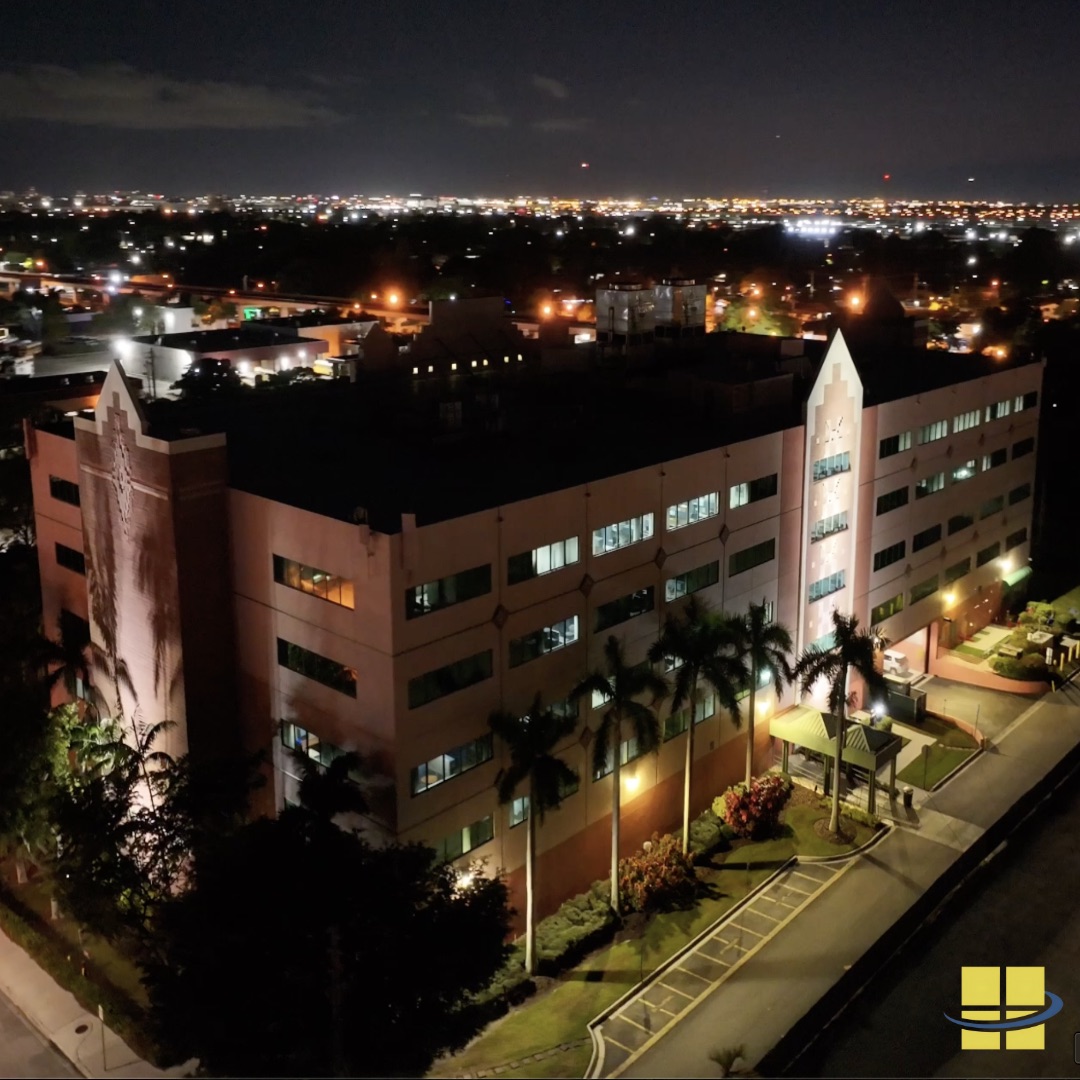
Dr. Martin Luther King, Jr. Office Plaza – Commercial Exterior Building Lighting
The MLK Office Plaza is a prominent example of how commercial exterior building lighting can be used to accentuate architectural features.