

Halogen to LED Conversion Calculator
| Current Halogen Lamp Watts | |
| Halogen Lamp Lumens | |
| Luminaire Efficacy | |
| Mean Luminaire Lumens | |
| LED Fixture Lumens Per Watts | |
| LED Mean Luminaire Equivalent | |
| Equivalent to Maintenance Factor (MF) | |
| LED Energy Savings |
Halogen to LED conversion means replacing halogen bulbs or fixtures with LED alternatives that deliver comparable light output with lower wattage, lower running costs, and longer service life. If you’re an electrician, facility manager, homeowner, or buyer comparing replacement options, this calculator helps you estimate the energy and cost savings of that upgrade and then see the fixtures that fit the job. From high-output sports lights to post tops, our LED solutions are built to reduce wasted energy and pay back faster. Shop LED Replacements by Category
To help you estimate the financial savings on energy costs when switching to our products, we provide an Energy Savings Calculator. This tool lets you enter your current halogen wattage, lumens, luminaire efficacy, LED lumens per watt, usage, and electricity rate for a more accurate assessment tailored to your setting. Use the calculator to estimate potential energy savings in kWh and money, compare like-for-like light levels, and avoid relying on wattage swaps alone.
The guide also explains the basics behind halogen and LED lighting, how to calculate energy savings, how colour temperature and light output affect lamp selection, and what to check for when choosing and installing LED replacements. Because LEDs often produce more light with less power than halogens, the switch can cut electricity bills, reduce maintenance, and deliver a more sustainable lighting upgrade without sacrificing lighting quality.
LED bulbs are now reaching over 120 lumens in Energy Star tests, and the light output of LED lamps continues to increase exponentially year by year, making them highly efficient choices.
What Should You Know When Understanding Halogen Lighting?
Halogen lighting is a type of lighting that uses a halogen gas to extend the life of the filament and improve the efficiency of the light bulb. Halogen light bulbs are a variation of incandescent bulbs and use between 20-30% less energy. Despite their improved efficiency, halogen light bulbs have a shorter lifespan compared to CFL and LED bulbs. However, they remain widely used in many applications due to their bright, crisp light and excellent color rendering.
Fluorescent lamps are another energy-efficient alternative to incandescent bulbs. They are known for their lower energy consumption, longer lifespan, and cost-effectiveness, making them a popular choice for modern homes.
Halogen light bulbs are available in various wattages, ranging from 20 watts for smaller bulbs used in desk lamps or accent lighting, up to 1000 watts for larger bulbs used in floodlighting or outdoor lighting fixtures. Understanding power consumption is important when choosing lighting options, as it impacts both energy efficiency and cost savings. They are often found in both residential and commercial lighting fixtures, providing a versatile lighting solution for many environments. Whether you’re illuminating a cozy living room or a bustling office space, halogen light bulbs offer a reliable and effective lighting option.
Lighting accounts for around 16% of the total power consumption in the average home. LEDs can last 25-50 times longer than halogen bulbs, which significantly reduces long-term maintenance costs.
What Are The Fundamental Benefits of LED Lighting?
LED lighting is a type of lighting that uses light-emitting diodes (LEDs) to produce light. LEDs are renowned for their exceptional energy efficiency, using up to 90% less energy than traditional incandescent or halogen light bulbs. This significant reduction in energy consumption translates to substantial cost savings over time, making LED light bulbs an attractive option for both residential and commercial applications. LED bulbs produce more light per watt compared to incandescent and halogen bulbs, making them more efficient, and they reach full brightness instantly.
In addition to their energy efficiency, LED light bulbs boast an impressive lifespan, with a longer lifespan compared with halogen options and often lasting up to 25 times longer than incandescent bulbs. LEDs generate less heat than traditional bulbs, which helps maintain their longevity and efficiency. This longevity reduces the need for frequent replacements, further enhancing their cost-effectiveness. LED light bulbs are available in a wide range of colors and can be used in various settings, from home lighting to commercial spaces. They are also a popular choice for outdoor lighting, including streetlights, parking lot lights, and other exterior lighting applications, thanks to their durability and reliability.
How Do Colour Temperature and Light Source Affect Your Space?
Colour temperature is a key characteristic of light bulbs that influences the look and feel of a space. Measured in kelvin (K), colour temperature describes whether the light appears warm, neutral, or cool. For example, a warm white light (2700K-3000K) creates a cozy, inviting atmosphere, while cool white (3500K-4100K) and daylight (5000K-6500K) provide a better, more energizing effect.
Different light sources, such as incandescent bulbs, halogen lamps, and LED bulbs, offer a range of colour temperatures. Incandescent bulbs typically emit a warm white light, while LED bulbs are available in a wide spectrum of colour temperatures, allowing you to tailor the lighting to your preferences. Understanding colour temperature helps you choose the right light bulbs to achieve the desired ambiance and functionality in any room.
Get the Perfect Glow, Not Just the Savings. Whether you need 3000K for a warm sunset feel or 5000K for crisp athletic performance, we have the right temperature in stock. Explore Color-Adjustable LED Fixtures

How Are Key Lighting Terms Defined for This Calculator?
Current Halogen Light Bulbs Watts:
What is the wattage of the current halogen light bulb you are using?
Halogen light bulbs come in various wattages, ranging from around 20 watts for smaller bulbs used in desk lamps or accent lighting, up to 1000 watts for larger bulbs used in floodlighting or outdoor lighting fixtures. You should be able to find the wattage of your halogen light bulb by looking at the base or ends of the light bulb or by finding the information on the light fixture. However, when selecting an LED bulb, it is important to focus on lumens rather than wattage to ensure you get the right brightness and efficiency. The wattage required for LED bulbs has dropped significantly as LED technology has improved, making it possible to achieve the same light output with much lower energy consumption.
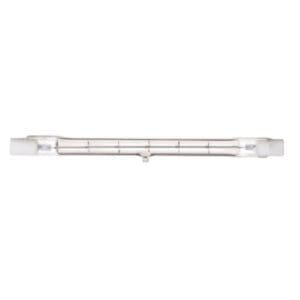
Double Ended Halogen Light Bulb
Lamp Mean Lumens:
What is the average lumens emitted by a halogen light bulb with this wattage.
Luminaire Efficacy:
Halogen lamps (light bulbs) put out x lumens, but that doesn't mean all of the all the light from the lamp gets out of the luminaire. Some light is lost from the luminaire housing. Some light is lost when the light passes through the lens. The default for this is 80%. If you prefer to be more precise, speak with an Access Fixtures Lighting Specialist.
LED Light Fixture Lumens Per Watt:
This information should be provided in the specifications of the new LED lamp or LED light fixture that you are considering to purchase. Be wary of the information provided. The LED wattage used for this should be system watts. System watts is the wattage of the LED based on the mA provided by the LED driver and the wattage used by the LED driver. There is also a difference between LED lumens and luminaire lumens. LED lumens is the lumens per watt of the LEDs. Just like legacy luminaires, the lamp lumens is not the same as the luminaire lumens. Luminaire lumens is the lumens per watt emitted by the luminaire. What is the information that you want for LED Fixture Lumens per Watt? It is LED Luminaire Lumens divided by LED Systam Watts. Again, this should be provided, but be sure that you are getting the correct information.
LED Mean Luminaire Equivalent:
The LED mean luminaire equivalent is a measure of the amount of light produced by an LED light fixture compared to a traditional light source. It is calculated by dividing the HID mean luminaire lumens by the LED luminaire lumens per watt. This value is crucial for comparing the performance of LED light fixtures to halogen light fixtures, ensuring that you achieve the desired lighting effect with your new LED bulbs.
For example, if an LED light fixture has a mean luminaire equivalent of 100 lumens per watt, it means that it produces the same amount of light as a 100-watt halogen light bulb. This comparison helps in selecting the appropriate LED light fixture to replace your existing bulbs, ensuring that you maintain the same level of illumination while benefiting from the energy savings and longevity of LED technology.
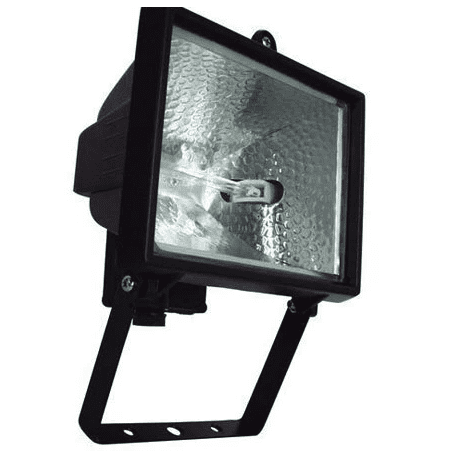
Halogen Flood Light
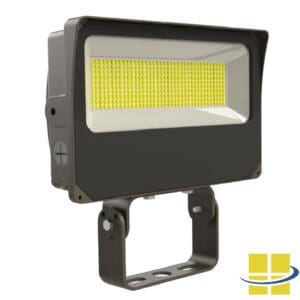
LED Flood Light
LED Mean Lumnaire Equivalent with LED Technology:
This is calculated by dividing the HID Mean Luminaire Lumens by the LED Luminaire Lumens per Watt.
Equivalent with Maintenance Factor (MF):
LED luminaires have lumen depreciation too. , so there is a calculation required similar to HID Mean Lamp Lumens. LED luminaires have an L70 rating such as L70 @ 100,000 Hours. That means that over 100,000 hours of use the lumens emitted will decline to 70% of the original light emitted by the LED luminaire. While that is a long time, time passes. Enough light when new may or will not be enough light later on. For eample, if a tennis court design delivers 30 footcandles (fc) and 30fc is required, there will not be enough light to play tennis at 25fc. Access Fixtures lighting engineer recommends that a MF of 20%. be added to maintain sufficient lumens for the task.
LED Energy Savings Calculator:
This is a comparison of the system watts used as compared to the LED system watts.
Which LED Lamp Options Are Best for Your Application?
LED lamps have become the go-to choice for energy-efficient lighting, offering a host of advantages over traditional light bulbs. When selecting LED lamps, it’s important to look at factors such as lumens (which measure light output), wattage (which indicates energy consumption), and colour temperature (which affects the mood of the space). If your current setup uses dimming, choose dimmable lamps only when needed, as not all LED options support it and you’ll want them to match your new lighting controls. LED lamps come in a variety of shapes, sizes, and designs, making them suitable for everything from home lighting to commercial and outdoor applications.
One of the key benefits of LED lamps is their long lifespan, which means fewer replacements and less maintenance over time. They also consume less energy, helping to lower electricity bills and reduce environmental impact. Older transformers and traditional dimmers may not work well with low-draw LEDs, causing flickering and sometimes requiring LED drivers or compatible dimmable controls. Unlike some other types of light bulbs, LED lamps do not contain hazardous materials like mercury, making them a safer and more sustainable choice. By considering these factors, you can find the right LED lighting solution for any setting.
Tired of Changing Bulbs Every Season? Switch to our EXTREME-LIFE LEDs rated for up to 200,000 hours. Reduce your maintenance costs to near zero starting today. Browse Our Maintenance-Free LED Catalog
Halogen to LED Conversion Calculator Disclaimer
This calculator is provided as a tool to help electricians, facility managers, and others get a fairly accurate estimate of the LED wattage required to provide an equal amount of lumens. When selecting a new LED fixture or retrofit, there are other factors to take into consideration.
For example, optics, including beam spread, determine the pattern and how wide the light is distributed. Speak with an Access Fixtures lighting specialist about your project to get the answers you need from a professional.
Access Fixtures assumes no responsibility for information provided or action taken based on the use of this LED Conversion Calculator.
Don’t Guess on Your Optics. LED conversion is about more than just wattage; it’s about how the light hits the ground. Speak with an Access Fixtures Lighting Specialist to confirm your beam angles before you buy. [Click to Call: 800.468.9925] | [Request a Professional Photometric Study]
What Are The Best Practices for LED Lighting Installation?
Installing LED lighting is a practical way to improve energy efficiency and lighting quality in your space. Before you install anything, consider the type of LED lamp you need, the compatibility with your existing fixtures, whether your dimmers are rated for LED bulbs since traditional dimmers can cause flickering and a limited dimming range, and whether older electronic transformers need replacing with LED drivers because low-draw LEDs may not work properly with them. It’s important to match the wattage and lumens of your new LED bulbs to your current lighting for optimal performance and to maintain the same level of illumination.
If you’re unsure about the installation process, consulting a professional electrician can help with safety, especially when troubleshooting flickering caused by incompatible dimmers or old transformers during upgrading. Proper LED lighting installation not only reduces energy costs but also enhances the overall quality and ambiance of your environment. By paying attention to these tips, you can enjoy the benefits of modern LED lighting while achieving the right balance of brightness, efficiency, and style.
Ready to Upgrade? What Are The Next Steps to Convert to LED?
Transitioning from legacy halogen systems to high-performance LED doesn't have to be a guessing game. To ensure you maximize your ROI and achieve the perfect light levels, follow this three-step path:
- Validate Your Savings: Use our Energy Savings Calculator to move beyond estimates. By entering your specific electricity rates and hours of operation, you’ll see exactly how quickly your new LED fixtures will pay for themselves.
- Consult a Lighting Specialist: While lumens provide a baseline, variables like beam spread and mounting height determine the actual quality of your play or work environment. Avoid "hot spots" or dark zones by having an Access Fixtures specialist review your project. We can provide a photometric study to guarantee your results before you buy.
- Select Your Engineered Solution: Don't settle for "retail grade" bulbs. Choose commercial-grade fixtures designed for longevity and extreme weather resistance. Whether you are retrofitting a single floodlight or a multi-court facility, we have the specialized hardware ready to ship.
- Talk to an Expert: Call 800-468-9925 for an immediate consultation.
- Request a Quote: Click here to contact our Customer Service team
- Shop by Category: Explore our [LED Sports Lights] or [LED Post Top Lights] to find your perfect match.
Conclusion
Switching from halogen to LED lighting offers significant benefits in terms of energy savings, cost reduction, and environmental impact. By using a halogen-to-LED conversion calculator, you can accurately estimate the potential savings and select the appropriate LED bulbs that match your current lighting needs in brightness and colour temperature. LEDs provide longer lifespans, lower energy consumption, and a wide range of options to suit various applications, making them a smart and sustainable choice for both residential and commercial lighting. Taking the time to understand the factors involved and consulting with lighting specialists can ensure a smooth transition and maximize your savings and lighting quality.
Halogen to LED Conversion Calculator Frequently Asked Questions (FAQs)
What is a halogen to LED conversion calculator?
A halogen to LED conversion calculator is a tool that helps estimate the energy savings and cost benefits when replacing halogen light bulbs with LED bulbs. It allows users to input details about their current halogen lighting setup and compares it with LED options to provide an accurate estimate of potential savings in energy consumption and electricity costs.
Why should I switch from halogen to LED lighting?
Switching from halogen to LED lighting offers significant advantages, including reduced energy consumption, lower electricity bills, longer bulb lifespan, and less heat production. LEDs are more efficient and environmentally friendly, making them a cost-effective and sustainable choice for both residential and commercial lighting.
How do I choose the right LED to replace my halogen bulb?
When selecting an LED bulb to replace a halogen bulb, it is important to focus on lumens rather than wattage to ensure you get the desired brightness. Also, consider the colour temperature to match the ambiance you want to create. Verify the exact bulb size in your owner’s manual or a bulb database before choosing a new bulb. Make sure the LED bulb has the same base type and voltage compatibility as your current halogen bulb. If your current setup uses dimming, choose a dimmable LED, as not all LED lamps are dimmable.
What factors affect the accuracy of the conversion calculator?
The accuracy of the halogen to LED conversion calculator depends on the input values such as current wattage, lumens, hours of usage, and electricity cost per kWh. Other factors like luminaire efficacy, beam angle, and maintenance factor also influence the final savings estimate, so consulting with a lighting specialist can help refine the results.
Can LED bulbs be used in all fixtures designed for halogen bulbs?
Most LED bulbs are designed to be compatible with standard halogen fixtures, but it is essential to check the base type, voltage, and size before purchasing. Some LED bulbs may require specific fixtures or adapters, especially for specialized halogen lamps such as MR16 or GU10 types.
How much can I save by switching to LED lighting?
Savings vary depending on the number of bulbs, hours of use, electricity rates, and the efficiency of the LED bulbs chosen. Generally, LEDs use up to 80-90% less energy than halogen bulbs and last significantly longer, which translates to substantial savings on energy bills and replacement costs over time.
What is colour temperature and why does it matter?
Colour temperature, measured in kelvin (K), describes the warmth or coolness of light emitted by a bulb. Warm colours (2700K-3000K) create a cozy atmosphere similar to halogen lighting, while cooler colours (above 4000K) provide bright, energizing light. Choosing the right colour temperature helps set the mood and functionality of a room.
Is the halogen to LED conversion calculator suitable for all countries?
The calculator can be used globally, but it is important to input the correct electricity cost per kilowatt-hour (kWh) for your specific country or region to get an accurate estimate of savings. Energy prices vary widely depending on location, so customizing this input ensures relevant results.
How does lumen output relate to brightness?
Lumens measure the amount of visible light emitted by a bulb and are the best way to compare brightness across different types of bulbs. When converting from halogen to LED, matching the lumen output ensures you maintain the same level of brightness even if the wattage differs significantly.
What maintenance factor should I consider when using LED bulbs?
LED bulbs experience lumen depreciation over time, meaning their brightness gradually decreases. A maintenance factor, typically around 20%, is recommended to ensure that the lighting remains sufficient throughout the bulb’s lifespan. This factor is important when designing lighting for specific tasks or environments.
Halogen to LED Conversion Calculator
"*" indicates required fields