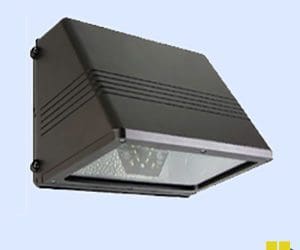
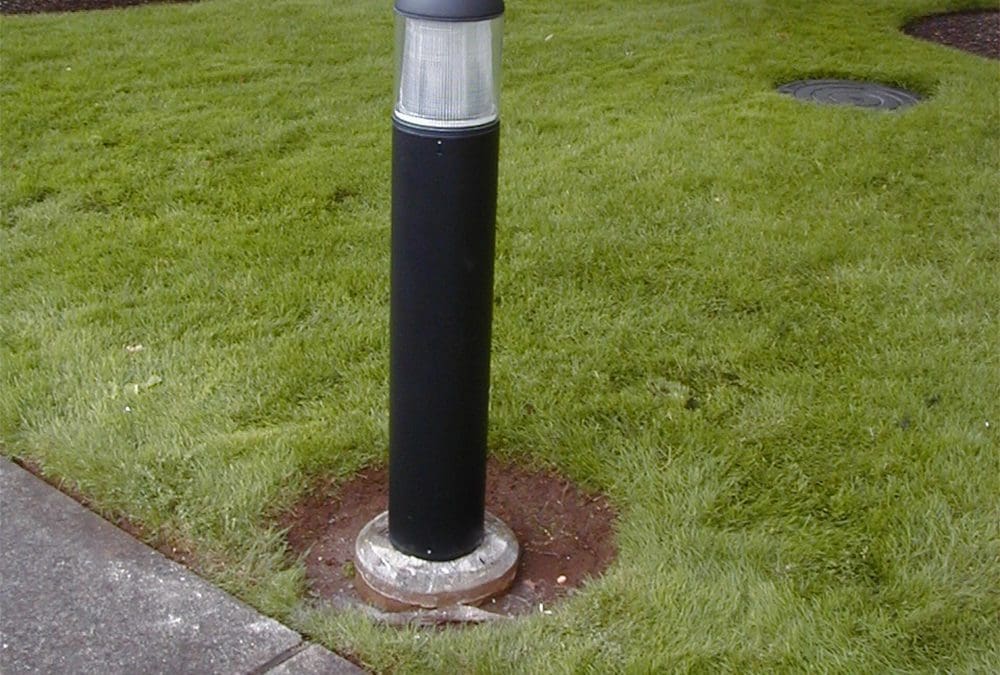
Commercial wall packs are easy to spot. They are used on essentially every industrial facility, warehouse, college campus, retail facility, and hospital around the United States and beyond. While new wall pack styles and designs become available every year, one question remains unchanged: Which is the best material for outdoor lights? Is it better to select glass or polycarbonate outdoor lights? When considering materials, it's important to compare glass, polycarbonate, and metals such as brass and aluminum, as each offers unique benefits for outdoor fixtures.
Both glass and polycarbonate outdoor lights look similar, so this is less a matter of aesthetics than something like, say, choosing bronze or black housings. The factors that will be important include resistance to scratches, cracks, and shattering; glare resistance; weight; and ease of installation and replacement. Additionally, considering durable materials is crucial for ensuring longevity and minimal maintenance. Selecting the best materials for outdoor fixtures, such as brass, copper, aluminum, and stainless steel, ensures durability, weather resistance, and long-lasting performance in various climates. Using weather-resistant materials like brass, glass, and aluminum can help these fixtures withstand harsh weather conditions while maintaining their aesthetic and functional qualities over time.
How to Choose the Right Outdoor Lighting Material?
When it comes to selecting the perfect outdoor lighting material, there are several factors to consider. The right material can make all the difference in ensuring that your outdoor lighting fixtures withstand the elements and provide the desired ambiance for your outdoor space. The choice of material also directly impacts the life of your outdoor lighting fixtures, affecting their durability and long-term value. Be sure to select materials that are suited to your specific outdoor environment.
Consider the durability and weather resistance of the material
One of the most important factors to consider when choosing an outdoor lighting material is its durability and weather resistance. You want a material that can withstand harsh weather conditions and stand up to years of outdoor exposure, such as heavy rain, intense sunlight, and extreme temperatures. Materials like stainless steel, brass, and copper are excellent choices for outdoor lighting fixtures due to their corrosion resistance and ability to withstand harsh weather conditions. These materials are known for their longevity and can maintain their appearance and functionality even in the most challenging outdoor environments.
Think about the style and design of your outdoor space
The style and design of your outdoor space should also play a significant role in your material selection. For example, if you have a modern and sleek outdoor space, you may want to consider materials like glass or aluminum that can provide a clean and minimalist look. On the other hand, if you have a more traditional or rustic outdoor space, materials like copper or bronze may be a better fit. Wrought iron is also a classic choice for vintage or ornate outdoor lighting designs, offering distinctive aesthetic appeal and a sense of historical charm. These materials can add a touch of elegance and timelessness to your outdoor lighting design, enhancing the overall aesthetic of your space.
Ensure the material is suitable for your climate and environment
It’s also important to consider the climate and environment in which your outdoor lighting fixtures will be installed. For example, if you live in a coastal area, you may want to choose materials that are resistant to saltwater corrosion, such as stainless steel or brass. High humidity can also pose challenges, as it may accelerate corrosion in certain metals, making it important to select materials that perform well in humid climates. When choosing materials for coastal areas, look for options with natural corrosion resistance, especially in environments with high salt exposure. Similarly, if you live in an area with high winds, you may want to choose materials that are sturdy and can withstand strong gusts. Selecting the right material for your specific climate and environment will ensure that your outdoor lighting fixtures remain functional and attractive for years to come.
Landscape Lighting Considerations
When planning landscape lighting for your outdoor spaces, choosing the right outdoor lighting material is essential for both performance and longevity. The materials used in your outdoor lighting fixtures play a significant role in how well they withstand the elements, especially in areas exposed to harsh weather conditions or unique environmental challenges.
For durable outdoor lighting that stands the test of time, materials like solid brass, copper, and stainless steel are among the best choices. These metals are renowned for their natural corrosion resistance, making them ideal for outdoor lighting fixtures exposed to rain, humidity, and temperature fluctuations. In particular, marine-grade stainless steel is highly recommended for coastal environments, where salt air can quickly corrode less resilient materials. While aluminum fixtures are lightweight and affordable, they may not be the best material for outdoor lighting in coastal areas unless they are protected with a high-quality powder coating. Even then, powder coating can chip or flake over time, potentially exposing the underlying aluminum to corrosion.
Aesthetic appeal is another important factor when selecting outdoor lighting materials. Brass and copper fixtures not only offer excellent durability but also develop a beautiful patina as they age, enhancing the character and curb appeal of your house and landscape. However, these metals may require regular maintenance to preserve their appearance, especially if you prefer to maintain their original finish.
In sunny climates or areas with high UV exposure, it’s crucial to select outdoor lighting materials that can handle extreme heat and direct sunlight. Composite materials, which combine metals and plastics, are engineered to resist both corrosion and UV rays, making them a practical option for landscape lighting in challenging environments.
While it may be tempting to opt for cheaper materials like plastic or basic aluminum, these options often break easily and have a shorter lifespan, especially when exposed to the elements. Investing in high-quality outdoor lighting materials such as solid brass or copper may cost more upfront, but these fixtures offer superior durability and require less frequent replacement, providing better value over time.
Finally, the design and installation of your outdoor lighting system are just as important as the materials themselves. Thoughtfully designed lighting fixtures can highlight architectural features, improve safety, and create a welcoming ambiance in your outdoor spaces. By selecting the best material for outdoor lighting and pairing it with a well-planned layout, you can ensure your landscape lighting not only looks stunning but also performs reliably for years to come.
Borosilicate Glass and Polycarbonate Lensing in Outdoor Lighting: A Brief History
Borosilicate glass predates the discovery of polycarbonate and is used in many applications within and beyond the lighting industry. Borosilicate glass was first available in 1893 and was launched by the company now known as SCHOTT AG under the brand name DURAN®. It was originally designed as laboratory glassware and was preferred over other options for its durability and chemical resistance. In 1915, Corning Glass Works began producing an improved version, Pyrex, which is often seen as synonymous with borosilicate glass.
Many lighting manufacturers use borosilicate glass for wall packs, bollard lights, flood lights, and walkway lights. Prismatic borosilicate glass is popular for its durability and its added glare protection. These materials are commonly used in light fixtures for both indoor and outdoor applications.
First discovered at the turn of the 20th century, polycarbonate would remain in development for nearly fifty years before the first products ventured out into the open market. Thanks to Bayer in Germany and General Electric in the United States, polycarbonate items eventually began to populate the marketplace; the first iterations of polycarbonate actually had a brown hue. It wasn’t until the 1970s that clear polycarbonate lenses came into production. Now, polycarbonate is a popular material used for electrical applications, light fixtures, beverage cans, and more.
Composites are also used as alternative materials for light fixtures, offering different benefits in terms of durability and design.
Pros and Cons: Glass Outdoor Lights
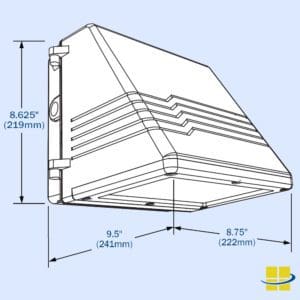
Pictured is the 25w HEZE Turtle & Wildlife Friendly Wall Pack, which is small, lightweight, and equipped with a clear flat glass lens. It offers a tremendous 196,000-hour lifetime (L70). Shop the HEZE by clicking the image above.
Pictured is the 25w HEZE Turtle & Wildlife Friendly Wall Pack, which is small, lightweight, and equipped with a clear flat glass lens. It offers a tremendous 196,000-hour lifetime (L70). Shop the HEZE by clicking the image above.
Pictured is the 25w HEZE Turtle & Wildlife Friendly Wall Pack, which is small, lightweight, and equipped with a clear flat glass lens. It offers a tremendous 196,000-hour lifetime (L70). Shop the HEZE by clicking the image above.
Glass has the advantage of having been around for a few centuries and having gone through numerous advances, innovations, and evolutions. The primary advantage to glass is its resistance to scratching. While glass can certainly still be scratched, it is inherently much more difficult to scratch than polycarbonate. The added scratch resistance of glass is certainly attractive, as it protects the fixtures from small debris and damage from the elements.
Additionally, glass is still one of the most optically clear materials available. This is why it is still the material of choice for many tools outside of the lighting industry, including camera lenses, binoculars, and microscopes. Brass fixtures are another durable and corrosion-resistant option for outdoor lighting, especially in coastal areas. Brass is a popular choice for outdoor lighting due to its durability and classic look. They develop a patina over time, adding to their aesthetic appeal, and although they come with a higher price, their longevity and classic look make them a worthwhile investment for quality lighting solutions.
While glass has its advantages, the drawbacks are just as glaring (no pun intended). While glass may be resistant to scratches, it has minimal impact resistance; it can easily be cracked or broken altogether. Because wall packs are often installed well above eye level, it may not be evident when a unit has broken glass. The longer a wall pack remains damaged, the more susceptible its internal components are to water damage. Of course, there is also the issue of broken glass on the ground beneath the unit—if the wall pack is installed over a playground, sidewalk, or another trafficked location, there is the potential for injury during or after a break. Older wall packs not using LEDs often use light sources containing mercury, which further amplifies the risk of injury.
The relative delicacy of fixtures with glass lenses makes it easy for fixtures to be broken during transit or installation. Even the most safely packed glass fixtures run the risk of breakage. Replacing units quickly becomes a timely and financial inconvenience and often requires rescheduling of electricians, etc. Glass is much heavier than polycarbonate (it weighs about twice as much), so shipping glass outdoor lights will be more expensive than shipping polycarbonate outdoor lights; handling these heavier units also complicates installation and handling.
Another factor in the glass vs. polycarbonate debate is yellowing. This is most often an issue with older (pre-LED) lighting technologies, but glass has proven to last longer before fading or turning yellow. High-quality materials like glass and brass are less likely to fade over time, maintaining their appearance even with exposure to environmental elements. Glass may be better protected against scratching, but polycarbonate does often turns yellow after years of use.
Pros: stylish, easy to clean, and can be energy-efficient
Outdoor lighting materials like glass, aluminum, and stainless steel offer several benefits, including being stylish, easy to clean, and energy-efficient. Glass, for example, can provide a sleek and modern look, while also being easy to clean and maintain. Aluminum lighting is lightweight and affordable, but it can be prone to corrosion and oxidation, making it less suitable for outdoor or seaside environments. Aluminum and stainless steel, on the other hand, are durable and can withstand harsh weather conditions, making them ideal for outdoor use. These materials can also contribute to energy efficiency, as they often support modern LED lighting technologies that consume less power and have a longer lifespan.
Cons: may be prone to breakage, can be expensive
However, some outdoor lighting materials may have some drawbacks. For example, glass can be prone to breakage, especially if it’s exposed to extreme weather conditions. Additionally, some materials like copper and bronze can be expensive, especially if you’re looking for high-quality fixtures. Aluminum fixtures, while lightweight and affordable, require regular maintenance to ensure they are properly maintained and resistant to corrosion. It’s important to weigh these potential downsides against the benefits to determine the best material for your outdoor lighting project.
By considering these factors and weighing the pros and cons of different materials, you can choose the perfect outdoor lighting material for your outdoor space. Whether you’re looking for durability, style, or energy efficiency, there’s a material out there that can meet your needs and provide the perfect ambiance for your outdoor space.
Pros and Cons: Polycarbonate Outdoor Lights

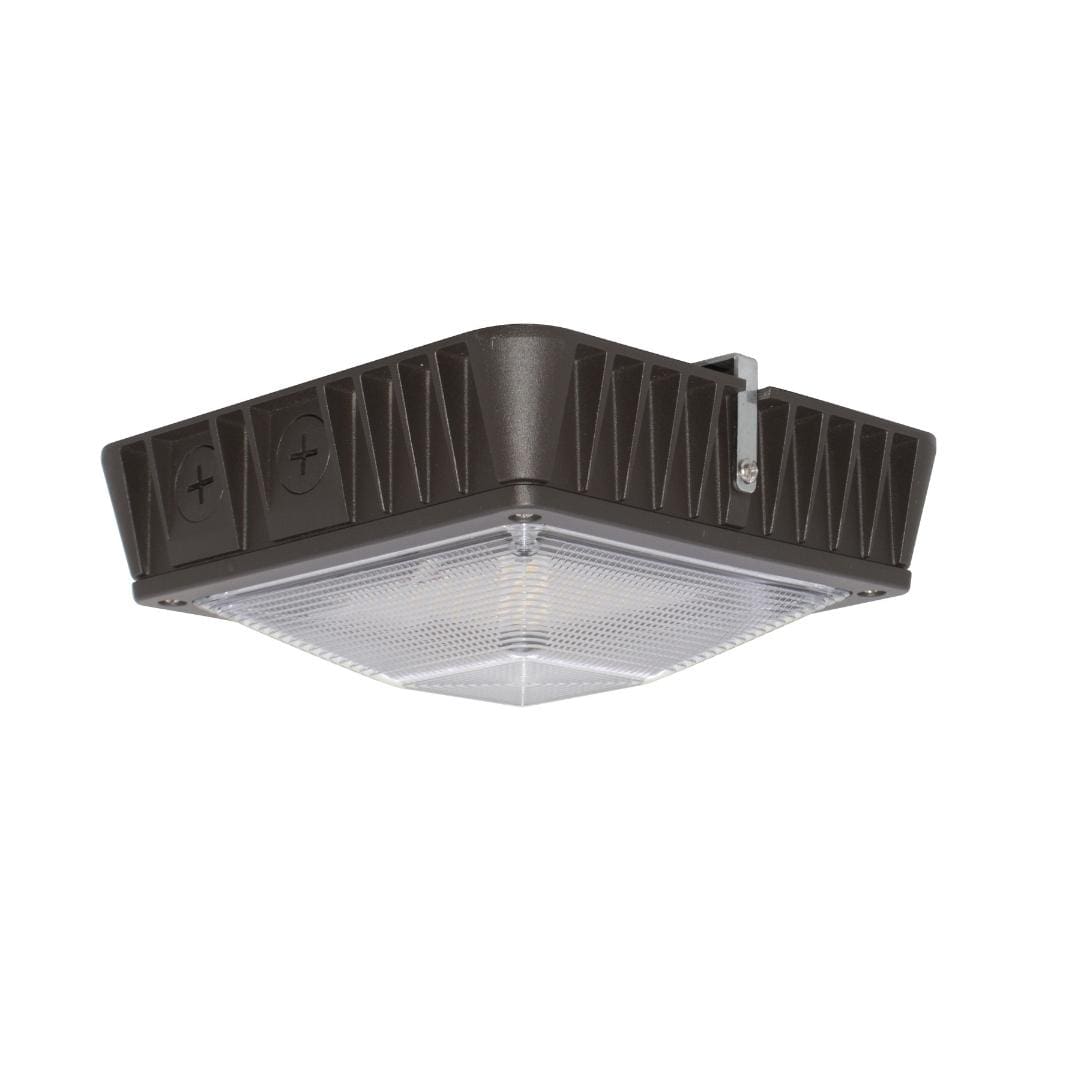
Pictured are the photometrics for the 20w ANDO Vandal Resistant LED Garage-Canopy Light. This fixture uses a prismatic, polycarbonate lens and, when mounted at 10 feet, provides distribution to a 40 ' x 40' area. Shop the ANDO by clicking the image above.
Pictured are the photometrics for the 20-watt ANDO Vandal Resistant LED Garage-Canopy Light. This fixture uses a prismatic, polycarbonate lens and, when mounted at 10 feet, provides distribution to a 40 ‘ x 40’ area. Shop the ANDO by clicking the image above.
Compared to glass, polycarbonate is a relatively new option. It has not seen as dynamic an evolution as glass, but that has not stopped it from becoming a strong force in the lighting marketplace. The biggest claim to fame for polycarbonate is that it is highly resistant to impact; depending on the composition, polycarbonate can be up to thirty times more resistant to breakage than glass.
Other advantages is that polycarbonate are that it is lighter in weight than glass and is often easier to remove and replace than glass. Glass rarely breaks cleanly, so part of the replacement process generally involves picking out shards of glass where they don’t belong. Polycarbonate, however, can usually be removed and replaced in one piece.
Polycarbonate is also weather-resistant, making it well-suited for use outdoors and ideal for outdoor lighting applications due to its resistance to environmental factors. The flexibility of polycarbonate makes it easier for manufacturers to produce customized lens designs for new products. Glass lenses can be custom-designed as well, but that process can be expensive and put at risk the strength of the glass itself. Polycarbonate allows manufacturers to take advantage of the material’s flexibility and low production cost. Thanks to its strength properties, polycarbonate can be shaped and reconfigured through a thermoforming process.
Unlike some metal alternatives, polycarbonate does not rust, which further enhances its durability for outdoor use. For all of the advantages polycarbonate offers in terms of durability, there is one major detraction: scratches. Where glass is scratch-resistant, polycarbonate is quite easily affected by scratches. Often, manufacturers will add an acrylic coating to a polycarbonate lens to improve its scratch resistance, though the risk is still present. This coating can also negatively affect a polycarbonate wall pack’s ability to absorb impact and make it more vulnerable to chips, cracks, and breakage.
The strength of polycarbonate is largely dependent on its thickness. So, while ⅛” of polycarbonate may be more shatter-resistant than ⅛” of glass, some manufacturers may cut costs by using thinner polycarbonate.
Borosilicate Glass vs. Polycarbonate Outdoor Lights: The Verdict
The choice is up to you. For increased scratch resistance, optimal optical clarity, and a lesser likelihood of yellowing, choose glass. When considering outdoor elements, it’s important to note that stainless steel is designed to withstand corrosion caused by these conditions. Powder-coated aluminum is another option, offering good initial durability and appearance, but it may require maintenance if the coating chips or degrades over time due to weather exposure. For increased breakage resistance, less weight, easier maintenance, and additional flexibility, choose polycarbonate.
Speak to an Access Fixtures Lighting Specialist
Lens material is just one factor to consider when selecting wall packs—and, while it is important, we do not recommend selecting a wall pack on this data point alone. Access Fixtures has a team of lighting specialists on standby to help you select the exact glass or polycarbonate outdoor lights for your specific project, including outdoor spaces. Accent lighting can dramatically enhance the aesthetics of these areas by highlighting architectural features. Call us today at 800-468-9925 or reach us via email at [email protected].
Frequently Asked Questions (FAQs)
What is the best material for outdoor lighting fixtures?
The best material for outdoor lighting fixtures depends on your specific needs and environment. Generally, solid brass and copper are considered top choices due to their durability, corrosion resistance, and aesthetic appeal. Marine grade stainless steel is also excellent for coastal environments. Powder coated aluminum can be a cost-effective option but may require maintenance over time.
How does moisture affect outdoor lighting materials?
Moisture can accelerate corrosion and deterioration in outdoor lighting fixtures, especially in metals that are not corrosion-resistant. Materials like brass, copper, and marine grade stainless steel naturally resist moisture-related damage, while aluminum and plastic may degrade faster if not properly coated or maintained.
Are plastic outdoor lighting fixtures durable?
Plastic fixtures are generally less durable than metal ones. They can be prone to cracking, fading, and yellowing due to UV exposure and harsh weather conditions. While plastic can be a budget-friendly option, it is best suited for temporary or decorative lighting rather than long-term outdoor use.
What maintenance is required for brass and copper fixtures?
Brass and copper fixtures develop a natural patina over time, which many find attractive. However, if you prefer to maintain their original shine, periodic cleaning and polishing may be necessary. These metals are otherwise low-maintenance and highly durable.
Can I mix different materials in my outdoor lighting design?
Yes, but be cautious when mixing metals like aluminum and brass, as they can cause galvanic corrosion if in direct contact. Using coatings or physical separation can help prevent this. Mixing materials can offer aesthetic variety but requires careful planning to ensure longevity.
Which materials are best for coastal environments?
For coastal environments with high salt exposure, materials with excellent corrosion resistance such as solid brass, copper, and marine grade stainless steel are best. Aluminum and plastic may not hold up well unless specially treated or coated.
How do UV rays affect outdoor lighting materials?
UV rays can cause plastics to degrade, fade, or become brittle over time. Metals like brass, copper, and stainless steel are more resistant to UV damage. Composite materials designed for outdoor use often include UV-resistant coatings to extend their lifespan.
Is powder coated aluminum a good choice for outdoor lighting?
Powder coated aluminum offers good initial durability and a clean look. However, the coating can chip or flake over time due to weather exposure, potentially exposing the aluminum to corrosion. Regular inspection and maintenance can help prolong its lifespan.
What factors should I consider when choosing outdoor lighting materials?
Consider your local climate, exposure to moisture and salt air, desired aesthetic, budget, and maintenance preferences. Durability and corrosion resistance are key for long-lasting outdoor lighting, especially in harsh weather conditions.
How long can I expect outdoor lighting fixtures to last?
High-quality outdoor lighting fixtures made from durable materials like brass, copper, and stainless steel can last 10 to 25 years or more with proper care. Cheaper materials like plastic or untreated aluminum may have significantly shorter lifespans.